An article by Richard James Rogers (Award-Winning Author of The Quick Guide to Classroom Management and The Power of Praise: Empowering Students Through Positive Feedback). This blog post has been beautifully illustrated by Pop Sutthiya Lertyongphati.
Updated: October 2026
Accompanying podcast episode:
Boo! Halloween is right around the corner, and it’s time to bring some spooktacular fun into your high school classroom. Whether you’re a seasoned educator or a fresh-faced teacher, these ten Halloween activity ideas will help you create memorable, engaging, and educational experiences for your students. So, put on your witch’s hat, grab a handful of candy corn, and let’s get started!
#1: Costume Day
Let your students come to school dressed in their favorite Halloween costumes. You can even turn it into a creative writing exercise by having them explain why they chose their costumes. It’s a fun way to break the ice and get everyone into the Halloween spirit.
Consider hosting a sustainable Halloween-themed fashion show, by awarding prizes to students who make the best costumes out of everyday, recyclable materials. Consider making this a group-project, with the Design Technology, Textiles, Art and Science departments all getting involved. What a great way to build collaborative skills!
#2: Spooky Storytelling
Organize a spooky storytelling session in your classroom, or in the school library!. Encourage your students to share their favorite ghost stories or urban legends, and even get those creative juices flowing by making subject-specific references a part of the task brief. Here are some examples:
- Chemistry: The reactions involved in photography, and how objects can sometimes appear as ghosts when they’re not
- Geography: World locations that are famous for ghost sightings, and their history
- English Literature: An easy one! Students analyse chosen texts that deal with the supernatural (my favourite is Bram Stoker’s Dracula)
By creating subject specific briefs like this, which require some kind of presentation as the task output, you’ll be providing a fantastic opportunity for your students to work on their public speaking skills while indulging in the eerie side of literature.
#3: Halloween-Themed Quizzes
Create a set of Halloween-themed quizzes or trivia games. Topics could range from famous horror movies to historical facts about Halloween, or even subject-specific Halloween-linked content. It’s a great way to infuse some educational content into the holiday. See my blog post on live-quiz apps for some great systems that can help you deliver this.

#4: Pumpkin Decorating
Bring a little creativity into your classroom by having a pumpkin decorating contest. Provide pumpkins and art supplies, and let your students’ artistic talents shine. You can even incorporate some team-building by having them work in pairs or groups. This could be great for a tutor-time or PSHE activity.
#5: Halloween Art Projects
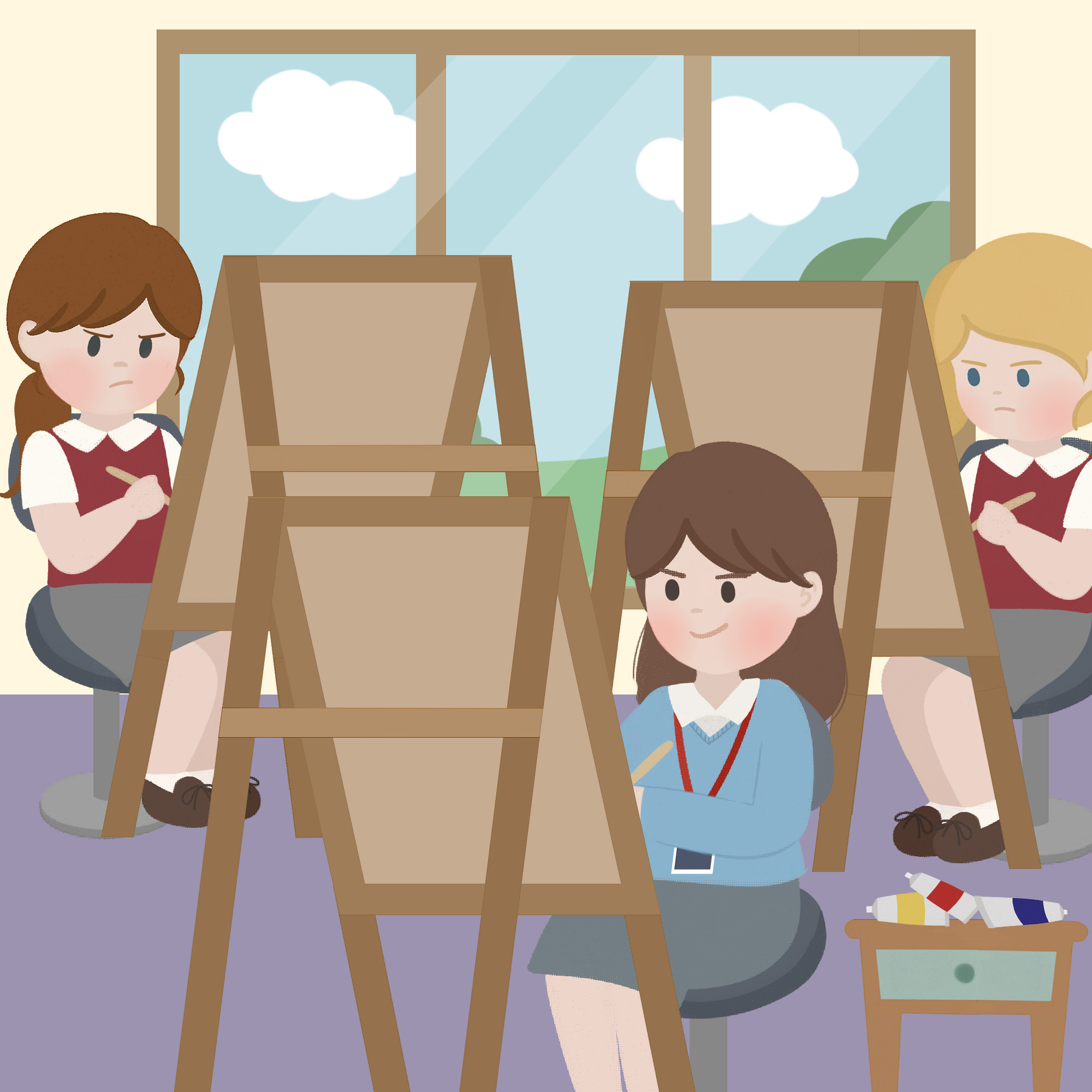
Give your students the chance to express themselves through art. Encourage them to create Halloween-themed drawings, paintings, or even 3D sculptures. You can display their masterpieces around the classroom to add to the spooky atmosphere.
#6: Halloween History
Explore the history of Halloween with your students. Discuss its origins and evolution over the years. You can even tie it into a broader lesson about cultural traditions and holidays. This page by History.com is great resource that can be used to facilitate such a lesson.
#7: Halloween Science Experiments
Turn Halloween into an opportunity for hands-on learning. Conduct fun and safe science experiments that align with the holiday. For example, you can create “boo bubbles” with dry ice or explore the chemistry of candy. We Are Teachers has a great page that contains lots of ideas for this.
#8: Halloween Movie Day
Let your students unwind by watching a classic Halloween movie. Pick a film that is both age-appropriate and has a good blend of spookiness and humor. Afterward, you can have a discussion about the themes and elements of the movie. You can find a list of Halloween movies for kids here, with some being available via Netflix Kids (i.e. easy to login and show via your smartboard or projector).
#9: Costume Parade
Organize a costume parade in your school. Invite students and teachers to participate, and even have a costume contest with prizes for the most creative, scariest, or funniest costumes. It’s a great way to build a sense of community and excitement.
#10: Halloween-Themed Writing Prompts
Encourage your students to embrace their inner authors by giving them Halloween-themed writing prompts. Have them write spooky stories, poems, or creative essays. This activity can foster imagination and improve their writing skills. Sarah Gribble lists 20 such prompts at her excellent site, here.
Final thoughts
Remember, Halloween in the classroom should be a balance between fun and learning. These activities not only create a spooktacular atmosphere but also provide valuable educational experiences for your high school students. Plus, it’s a great way to build a sense of community and camaraderie among your class.
So, get ready for some ghoulishly good times this Halloween season. Your high school classroom is about to become the coolest and creepiest place in town! Happy Halloween, teachers, and may your students have a wickedly wonderful time!


We welcome you to join the Richard James Rogers online community. Like our Facebook page and follow us on Twitter for daily updates.