10 Innovative Ways to Use AI in The High School Classroom

An article by Richard James Rogers (Award-Winning Author of The Quick Guide to Classroom Management and The Power of Praise: Empowering Students Through Positive Feedback)This blog post has been beautifully illustrated by Pop Sutthiya Lertyongphati.

The 7 Golden Rules of Communication for Online Meetings

An article by Richard James Rogers (Award-Winning Author of The Quick Guide to Classroom Management and The Power of Praise: Empowering Students Through Positive Feedback)This blog post has been beautifully illustrated by Pop Sutthiya Lertyongphati.

Check out my award-winning book for high-school teachers, available on Amazon.

Hybrid Teaching Apps, Ideas and Strategies – Richard James Rogers

Cognitive Challenges of Language Learners in the Digital Age – Richard James Rogers

Online Learning: A Risk-Assessment List for Teachers – Richard James Rogers

5 Mistakes Teachers Are Making With Slide Presentations

An article by Richard James Rogers (Award-Winning Author of The Quick Guide to Classroom Management and The Power of Praise: Empowering Students Through Positive Feedback)This blog post has been beautifully illustrated by Pop Sutthiya Lertyongphati.

My Award-Winning book for high-school teachers.

We welcome you to join the Richard Rogers online community. Like our Facebook page and follow us on Twitter for daily updates.

Spooktacular Fun: 10 Halloween Activity Ideas for High School Teachers

An article by Richard James Rogers (Award-Winning Author of The Quick Guide to Classroom Management and The Power of Praise: Empowering Students Through Positive Feedback)This blog post has been beautifully illustrated by Pop Sutthiya Lertyongphati.

We welcome you to join the Richard James Rogers online community. Like our Facebook page and follow us on Twitter for daily updates.

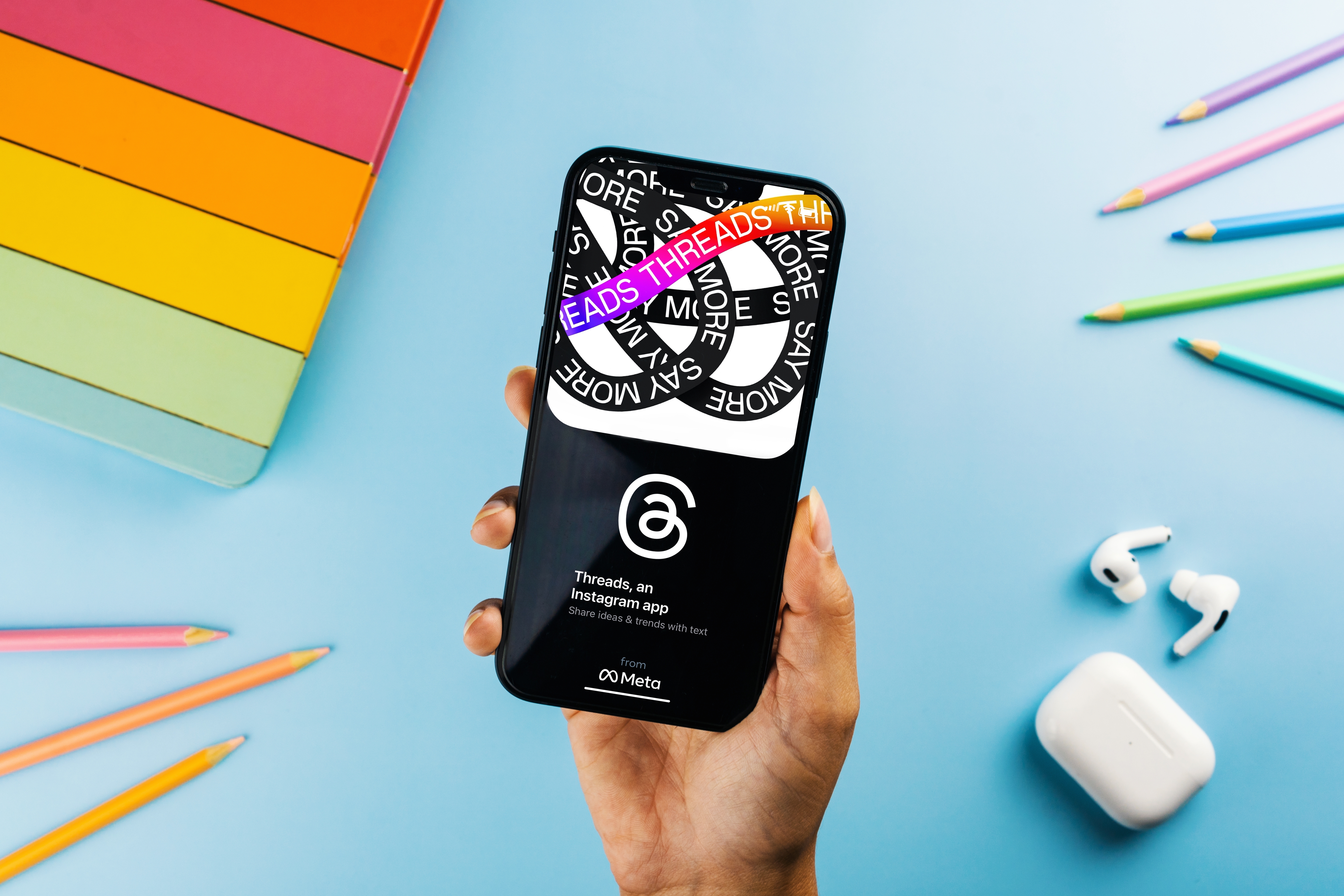
Instagram Threads: A Fun Tool to Enhance Teaching and Learning!

An article by Richard James Rogers (Award-Winning Author of The Quick Guide to Classroom Management and The Power of Praise: Empowering Students Through Positive Feedback).

Hey there, fellow educators and Instagram enthusiasts! Today, I want to talk about a nifty feature on everyone’s favorite photo-sharing platform: Instagram Threads. We all know that Instagram is great for sharing snapshots of our lives, but did you know it can also be a fantastic tool to support teaching and learning? That’s right! In this blog post, I’ll walk you through some creative ways teachers can leverage Instagram Threads to engage their students and make learning a whole lot more exciting. Let’s dive in.

#1: Creating a Private Classroom Community

Imagine having a space where you can interact with your students outside the traditional classroom setting. Instagram Threads provides just that! You can create a private group solely for your class, allowing for open discussions, sharing resources, and fostering a sense of community. It’s an excellent platform to keep the conversation going beyond the classroom walls and make learning a collaborative experience.

#2: Sharing Timely Updates and Reminders

Remember those times when you had to make last-minute announcements or reminders, and you wished your students could see them instantly? With Instagram Threads, you can quickly post updates, reminders, or even schedule them in advance. It ensures that important information reaches your students promptly, and you can bid farewell to those “I didn’t know about it!” excuses.

#3: Encouraging Visual Storytelling

Instagram is all about visual content, and Threads takes it up a notch! As a teacher, you can leverage this feature to encourage your students’ creativity through visual storytelling. Assign projects where students can capture and share images or short videos related to the topics they’re studying. It adds an exciting dimension to learning and allows students to express themselves in unique ways.

#4: Instigating Dialogue and Debates

Discussion is an integral part of education, and Threads provides an ideal platform for fostering meaningful conversations. Teachers can initiate discussions by posting thought-provoking questions or prompts related to the lesson material. Students can then respond, share their perspectives, and engage in healthy debates. This helps develop critical thinking skills and encourages active participation.

#5: Showcasing Student Work

Who doesn’t love recognition and appreciation for their hard work? Instagram Threads can be an excellent avenue for showcasing student achievements. Create a designated space to highlight exceptional projects, artwork, or any other outstanding work by your students. Not only does this motivate them, but it also inspires others and creates a positive classroom culture.

#6: Conducting Virtual Q&A Sessions

Want to provide additional support or address student queries outside regular class hours? Instagram Threads offers a seamless way to organize virtual Q&A sessions. Dedicate specific time slots where students can post their questions, and you can respond with detailed explanations or clarifications. It promotes active learning and demonstrates your commitment to student success.

Remember, while Instagram Threads can be an incredibly useful tool, it’s crucial to prioritize privacy and ensure all interactions are conducted in a safe and secure manner. Always adhere to your school’s guidelines and obtain necessary permissions from parents or guardians.

Conclusion

So, there you have it! Instagram Threads can be a game-changer when it comes to supporting teaching and learning. By tapping into its features, teachers can create engaging, interactive, and visually appealing learning experiences for their students. So why not give it a try? Your classroom is just a click away from a vibrant online community.

Stay connected, stay inspired, and let’s explore the incredible possibilities that Instagram Threads brings to our educational journey. Happy teaching, everyone!

Disclaimer: Instagram Threads is a third-party application and has its own terms of service and privacy policy. Please review and adhere to these policies when using the application for educational purposes. The minimum age for a child to have an Instagram account, at the time of writing, is 13 years old.

We welcome you to join the Richard James Rogers online community! Join us on Facebook and Twitter for regular updates, giveaways of Richard’s books, special offers, upcoming events and news. 

Harnessing the Power of Smart Watches in Teaching: Tips for Educators

An article by Richard James Rogers (Award-Winning Author of The Quick Guide to Classroom Management and The Power of Praise: Empowering Students Through Positive Feedback).

Illustrated by Pop Sutthiya Lertyongphati.

Mobile devices seem to be infiltrating classrooms at an ever-increasing frequency as the years roll by. First, it was Walkmans (remember those?), then it was mobile phones in the late 90s. From then it progressed to iPods, then to Blackberrys, then to smart phones. The latest iteration of the digital classroom intruder, however, is more cunning and more covert than any of its ancestors (if you ignore Tamagotchis) – it’s the ninja of all learning space (invaders) – the smart watch.

Smart watches, once limited to fitness tracking and notifications, have evolved to offer a wide range of features and possibilities. These wearable devices have the potential to enhance the teaching and learning experience by providing teachers with innovative tools and students with interactive opportunities. In this blog post, we will explore how smart watches can be effectively utilized in teaching and provide valuable tips for educators who have to deal with smart watch-related incidents in the classroom.

#1: Real-time notifications and reminders

One of the key advantages of smart watches is their ability to provide instant notifications and reminders. Teachers can leverage this feature to stay organized and keep track of their schedules, meetings, and important deadlines. By syncing their calendars with smart watches, educators can receive alerts and reminders directly on their wrists, ensuring they never miss an important event or deadline.

#2: Health and wellbeing

In order to create an optimal learning environment, it is crucial for teachers to prioritize their own health and well-being. Smart watches equipped with health tracking features, such as heart rate monitors, sleep trackers, and step counters, can help educators maintain a healthy lifestyle. By keeping a close eye on their physical activity levels and sleep patterns, teachers can make informed decisions about their overall well-being, leading to improved focus and productivity in the classroom.

#3: Time management and productivity

Teachers often face the challenge of managing time effectively in the classroom. Smart watches can assist in optimizing classroom routines by serving as a discreet time management tool. With built-in timers, alarms, and stopwatches, educators can easily allocate specific time intervals for activities, presentations, or exams. This helps maintain a structured environment and ensures that students are aware of the allocated time for each task.

#4: Collaborative learning and communication

Smart watches can serve as powerful tools to facilitate collaborative learning and communication among students. With the ability to send quick messages, share files, and receive notifications, teachers can encourage student engagement and foster a sense of community within the classroom. Additionally, smart watches with voice assistants can enable hands-free communication, allowing teachers to quickly address questions or provide feedback while conducting activities.

#5: Personalized learning and differentiation

Every student learns at their own pace, and it’s important for educators to cater to individual needs. Smart watches can aid in personalized learning by offering customized reminders, progress tracking, and individualized feedback. Teachers can set up personalized notifications for students to remind them of upcoming assignments, study goals, or important events. Furthermore, smart watches can track students’ progress in physical activities, providing them with real-time feedback and motivation.

#6: Interactive teaching tools

Smart watches come with a range of interactive features that can be integrated into teaching strategies. For instance, teachers can use the stopwatch feature during science experiments or physical education classes to measure time or calculate speeds. The built-in compass can be utilized during geography lessons, and the voice recorder can assist in language learning activities. By exploring the various features of smart watches, educators can enhance their instructional methods and engage students in unique ways.

Conclusion

As technology continues to shape the education landscape, smart watches offer a host of possibilities for teachers to enrich the teaching and learning experience. By leveraging the real-time notifications, health tracking capabilities, and interactive tools of these wearable devices, educators can create more engaging and productive classroom environments. By embracing this technology and incorporating it into their teaching practices, teachers can stay ahead in their mission to provide quality education in a technologically driven world.

We welcome you to join the Richard James Rogers online community! Join us on Facebook and Twitter for regular updates, giveaways of Richard’s books, special offers, upcoming events and news. 

Proactive vs. Reactive Classroom Management: 3 Simple but Powerful Tips Guaranteed to Improve Your ESL Classroom Management 

Good teaching is built upon the foundations of effective classroom management. Most teachers recognise this, and I believe that’s why my 2015 book, The Quick Guide to Classroom Management, became an award-winning bestseller within a very short timeframe. We know that order must be maintained in the classroom for deep learning to take place, but how do we maintain that order in a way that is not confrontational, or stifling, for our students?

Thankfully, we have the wise words and fresh perspective of a great expert to guide us today. I’ve invited Mitch Metzger from Destination TEFL, Bangkok, to share his top tips for using proactive and reactive classroom management strategies with our students.

This blog post has been beautifully illustrated by Pop Sutthiya Lertyongphati

Let’s face it, classroom management is the hardest part about teaching abroad.

Managing a classroom in ANY country is an immense challenge. It requires emotional intelligence and a deep understanding of human behavior. It involves aspects of psychology, educational pedagogy, and even philosophy.

Managing a classroom abroad means doing all of this on TOP of the fact that your students don’t speak your language!

ESL classroom management is a unique and, honestly, daunting challenge. Even with all of the right books and the best TEFL training, it can still take years to truly master managing student behavior. 

But there are simple mindset and habit changes you can make that will immediately improve your ability to manage a classroom abroad. Mastery may take years, but applying what you learn in this post can have you managing like a pro in a matter of weeks. 

ESL classroom management is a challenge, but it’s also an incredible opportunity. An opportunity to improve your EQ. An opportunity to become an expert at body language and non-verbal communication. An opportunity to learn transferable professional, personal, and leadership skills that will change your life even once you move on from the classroom.

Studies have also shown that these skills in teachers have a direct and significant impact on student achievement. At the end of the day, it’s all about our students. 

Working to change their lives is what truly changes our lives.  

So grab a notepad and pen (or, let’s be real, your phone), and let’s dive into some strategies that will put you on the path to classroom management mastery!

What is Classroom Management, actually?

Before we get into the secret sauce, it’s essential to first understand what we’re actually talking about when we say “classroom management”.

Because it’s not what most people think it is.

For many people, those words elicit memories of teachers yelling, sending kids out of the room, and otherwise strictly enforcing a set of rules “because I said so”. 

Think about it, how did most of your teachers enforce classroom rules when you were growing up? Yeah, ours too…

Unfortunately, monkey see monkey do and we’re just really smart monkeys. Many of us, myself included early on in my career, fall back on the same disciplinary tactics of our teachers. 

But that’s not what classroom management is supposed to be. At least, not great classroom management!

Great classroom management is about getting the most out of your students. Creating a safe space where they can make mistakes and try again. Developing deep bonds and trust with your students. Helping them to create a better vision for their own futures.

Most of all, it means being a true role model. We can’t expect students to do as we say and not as we do. After all, did we when we were young?

So how can we change the paradigm of classroom management? Good question, probably a bit too big to be solved in a single blog post (I smell a series). However, there is one simple shift that can make an immense difference.

Simple, but not necessarily easy.

Proactive vs. Reactive Classroom Management

Understanding (and actually creating habits around) proactive versus reactive classroom management strategies seems like a small change. However, it will forever change the way you manage your classroom, especially while teaching English abroad.

The difference is in the fundamental approach you take to potential issues in your classroom.

Reactive strategies involve solving problems that have already occurred. Disciplining “bad” behavior, what most people think of when they hear classroom management, falls into this category.

Proactive strategies are about anticipating potential problems and putting systems in place to prevent them from happening in the first place.

I like to say reactive strategies are putting out the fire. Proactive strategies are not putting a candle near the drapes.

After all, an ounce of prevention is worth a pound of cure.

This is all nice in theory, but what do these different approaches look like in practice? What are some concrete strategies you can actually use in the classroom?

Reactive Classroom Management

Let’s start with reactive management behaviors. Now this isn’t necessarily “what not to do” (though some of these definitely fall into this category). Problems will inevitably arise in the classroom, and sometimes you’ll need to ‘react’.

However, these should be more of a last resort. Only leaning on these strategies, or using the wrong reactive strategies, is where problems can arise.

So, let’s look at various reactive strategies and see which might be effective and which should be left behind.

Reactive strategies to avoid

Some habits you’ll want to be careful to NOT get into include:

  • Yelling at students
  • Using shame as a discipline strategy (easier to fall into than it sounds)
  • Removing students from the classroom
  • Getting emotional or visibly frustrated
  • Not checking your biases

Expecting compliance

One thing we always train our teachers to take special note of is this: You can’t expect immediate compliance.

The truth is, respect and trust have to be earned. It doesn’t matter if the people you’re leading are 50 years old or five, you have to do the work to earn their buy-in. 

Too many teachers expect their students to immediately listen to everything they say and get distraught or upset when that doesn’t happen.

Available at Amazon, Barnes & Noble and all good retailers.

But students are people too, and we don’t particularly like taking orders from people we barely know and trust. Right?

Effective reactive strategies

Like we said, problems in the classroom are inevitable. Occasionally you’re going to have to put out some fires (hopefully not literally), so it helps to have a good extinguisher. 

Some effective strategies include:

  • Practicing patience and empathy, even in stressful situations
  • Having a word or action that refocuses attention on you (e.g., clapping patterns, short phrases, etc.) 
  • Keeping other students busy with a task while addressing issues
  • Having a calming space in the classroom students can go to when feeling overwhelmed.
    • This is NOT a timeout. It should be a comfortable space (seating, plants, maybe even a little fountain) students want to go to, you just have to train them on when they can be there.
  • Listening to both sides of every story
  • Explaining why rules are being enforced 
  • Teaching calming breathing techniques

Adding these strategies to your teacher tool belt will help you solve problems whenever they occur.

Proactive Classroom Management

Now time for the real secret sauce! Proactive classroom management strategies will completely change your classroom when done right.

So let’s learn how to do them right!

Here are 3 simple strategies to prevent problems from arising in the first place.

#1 – Be completely prepared for EVERY class

Let’s be real, it can be tough to prepare 20+ engaging classes per week. As a teacher, it’s easy to slide into a bad habit of not fully preparing for every class.

Whether this is just teaching straight out of the book, or over-relying on worksheets from the internet, underprepared classes are the top culprit for why students misbehave in the first place. We know that young learners (and hell, even people our age) have short attention spans. So it shouldn’t come as a surprise that if students aren’t engaged consistently throughout the lesson they’ll lose focus, and this inevitably leads to classroom behavior issues.

So put in the groundwork and prep your lessons.

Work to make them physically and intellectually engaging. Challenge your students. Find ways to make the material relevant to their lives. And most importantly, have all of your lessons fully resourced and ready to go.

Another pro tip here is to work on your transitions. Any ‘gap’ in the lesson is an opportunity for students to potentially misbehave, so filling those gaps ensures students don’t veer off track.

This tip isn’t really fun, because it requires a bit more work on your part. But a bit more work in the preparation will pay off immensely in the form of better lessons, stronger relationships with your students, and better mental health. After all, nothing is more taxing than an ‘out of control’ classroom.

#2 – Get to know your students

This seems like a given, but you’d be shocked (and appalled) at the number of ESL teachers who don’t even bother to learn all of their students’ names.

In their defense (kind of), I’ve had jobs where I have taught hundreds of students. It can be tough to learn that many names, let alone get to know them all.

Yet too many teachers lean on that excuse as a reason not to really get to know their students at all. They spend all of their time in the ‘teachers’ lounge’, or only interact with their students for the 55 minutes of English class each day.

The truth is, though, there is NO better classroom management strategy than strong bonds with your students. If they trust you, if they respect you, if they like you, they will listen to you.

So what can you actually do to bond with your students?

  • Get a class roster, make name cards, or employ other strategies to learn their names
  • ASK them about their interests, and talk about yours
  • Eat lunch with them or play with them at recess from time to time
  • Come to school a bit early, or do your grading at school and leave a bit late
    • This doesn’t have to be too much, maybe 15 minutes. But you can get a lot of informal facetime with your students in those quiet little moments before or after school.
  • Learn a bit of their language (and practice where they can see you!)

If you follow these simple tips you’ll be amazed at how quickly you can get to know your students!

#3 – Let the students make the rules

I know, it sounds crazy. But hear us out…

Letting your students make the rules can be a powerful technique when it comes to actually enforcing the rules. Think about it: aren’t you more likely to follow rules you come up with yourself? 

People naturally don’t like being told what to do, so if you give the students the power to decide what rules are fair then they’re much more likely to follow through.

It also makes it way easier for you to enforce the rules. Instead of saying “do this because I said so” you get to fall back on “Hey, these aren’t even my rules. YOU came up with these!”. Trust me, the latter is far superior.

Now, you’ll have to steer the conversation a bit to make sure some essential rules are hit. But this can be as easy as one or two leading questions. “Is it a good idea to talk if the teacher is talking?”

In the ESL classroom, you may also need the help of a co-teacher that speaks the students’ native language. It doesn’t take a really high level of English to make some of these rules, but if your students are at a lower level it’ll be good to have someone there to help formulate their thoughts if they don’t have the vocab for it. 

The final proactive management tip

To wrap things up, I want to leave you with one more proactive tip.

Take care of YOURSELF! 

Yes, proper self-care and work life balance is absolutely essential for classroom management. If you’re overwhelmed or burnt out, it will inevitably impact your students. Energy is contagious, and as the leader you are the conduit for the classes’ energy. This makes it important to learn to control your own energy.

So meditate, journal, go for walks, do yoga, eat healthy, travel on the weekends, pursue hobbies that interest you. Set up good, sustainable systems for work life balance. Grow in areas you feel are important for your life. The best teachers by FAR are happy teachers (not an opinion, studies show this to be true), so be sure to do things that make you happy.

If you do that, then teaching itself will become one of those things!

We welcome you to join the Richard James Rogers online community. Like our Facebook page, follow us on Instagram and check out our Twitter feed for the latest news, blog posts and commentary.

The Role of ChatGPT and AI in Education: A Guide for Teachers and Schools

An article by Richard James Rogers, award-winning author of The Quick Guide to Classroom Management: 45 Secrets That All High School Teachers Need to Know and The Power of Praise: Empowering Students Through Positive Feedback

This blog post has been beautifully illustrated by Pop Sutthiya Lertyongphati

Updated: 7th February 2023As this is an evolving topic, this blog post shall be updated regularly in order to make the content relevant for teachers and schools.

Accompanying podcast episode:

You’ve probably already been swept up by the huge (and sudden) tidal wave of hysteria that has been generated by OpenAI’s latest product: ChatGPT.

From writing computer programs to producing beautifully formatted English and SAT essays, to answering Mathematics IGCSE examination questions – ChatGPT seems to be the digital guru we’ve all been waiting for, and big tech companies have been attempting to create, for decades.

You could almost say “Chat’s one small step for RAM, one giant leap for mankind!”

Whilst a witty pun like this is enough to break the ice and get a few giggles at your next Teach Meet (perhaps), it won’t be enough to calm the nerves of many who have suddenly realised that we have a major problem on our hands.

ChatGPT has hit educators globally with thunderclap surprise and is causing a lot of panic – and for good reason. In terms of updating Academic Integrity policies, schools will now have to go right back to the drawing board and devise intelligent solutions to a wide array of complex challenges that ChatGPT will pose. Another key consideration for all educational institutions will be how to figure out their position on AI, and which teaching practices to use, as these systems and tools evolve.

So, if you’re one of the many educators out there who is considering how ChatGPT will affect your teaching, then here are some interesting thoughts and resources: 

#1: Maths teachers

Mathematics teachers – you think this will not affect you? Well think again – ChatGPT can achieve a Level 5 in a Mathematics IB Diploma SL AA examination. Check out the link and see the attachment!

#2: Cognitive offloading

The first rule with any new technology is to educate students regarding its use and to reveal what is ethically and academically acceptable (as they say the genie cannot be put back in the bottle so banning does not work). Is ChatGPT just another ‘cognitive offloading’ tool like spellcheck, Grammarly, or Amazon Polly, or is it much more than that? Read this good overview piece by Larry Ferlazzo at EdWeek to find out more.

#3: Plagiarism software cannot detect it quite yet 

However, Turnitin is developing a tool and there is a beta version out there – so maybe try using this tool to comb through your latest essays from students if they have been typed: you may be surprised with what you find out!

OpenAI have just recently created a kind of ChatGPT detector – to check if an assignment has been artificially generated – but even they themselves say that it’s nowhere near perfect: only 26% accurate! OpenAI recommend using their plagiarism detector, along with other software (like the tool from TurnItIn) to get a good, overall picture of just how much bot-generated text is present within a piece of work.

What if it catches a student who has used ChatGPT partially? Is this acceptable?

#4: Have a go yourself.

A colleague of mine used it in class with students on an IB Digital Society essay and he reported that it was interesting to examine and use the results. It writes pretty good TOK (Theory of Knowledge) essays based on last year’s prompts, for instance. However, it does have many limitations and I believe it’s important to discuss these with students. I do think the TOK assessment, and other essay-based coursework, will have to radically change over the next few years. It wouldn’t surprise me if we see a shift in schools towards more internal assessment methods like group/individual presentations and practical work.

#5: Should we be concerned about students using it?

Well, some universities are already changing their assessments. Will big exam boards like Pearson, the International Baccalaureate, AQA and others be as quick to follow?

#6:  ChatGPT is just the beginning

As schools continue to set essay assignments (as per current requirements) I recommend using a new tool called Elicit which can help students with searching and ranking sources alongside improving the quality of their research questions. This is a great introduction to the Extended Essay for IB, for example. A list of the many other tools out there can be found at this link – Future Tools – Find The Exact AI Tool For Your Needs.

In addition to the current disruption already caused by ChatGPT, Google (of course) are planning to stamp their feet and make their mark very soon. The AI arms’ race is on, and Google’s offering is a system called Bard – so advanced that its predecessor, LaMBDA, was controversially described as being “sentient” by its developer.

Will we see the day when self-aware AI systems are given the same rights and responsibilities as people? In LaMBDA’s case, the system described feeling “happy or sad at times” and reported having a deep fear of being switched off – a fate comparable to being killed, in its ‘opinion’.

#7: Chat Prompts

Would you like some nifty chat prompts to play with? See the pdf attachment below – note Nick Cave has been getting very annoyed at all the songs written in his voice! It can also write a decent lesson plan for you if you so wish.

#8: Extra resources

Finally, a great overview here, and attachments below.

Special Thanks

Special thanks to Jeremie Tisseau, CEO of Morphosis Holdings Co. Ltd., for acting as my ‘go-to consultant’ and for sharing his expertise on all things ChatGPT and AI with me. Your input has allowed this blog post to remain relevant, useful, topical and accurate.

Useful PDF Resources

See below. Just click on the ‘download’ buttons to save these pdfs.

We welcome you to join the Richard James Rogers online community. Like our Facebook page, follow us on Instagram and check out our Twitter feed for the latest news, blog posts and commentary.

Why is Coding Important for School Students to Learn?

richardjamesrogers.com is the official blog of Richard James Rogers: high school Science teacher and award-winning author of The Quick Guide to Classroom Management: 45 Secrets That All High School Teachers Need to Know. 

This blog post has been beautifully illustrated by Pop Sutthiya Lertyongphati.

Accompanying podcast episode:

As a teacher or a parent, you’ll likely have an interest in the subjects that children are learning in school, especially newer subjects like computer literacy, robotics, coding, or even game development. And while some parents and teachers might be worried that children already spend too much time on tablets, mobile phones or laptop computers as it is, the good news is that all of these subjects are likely to enhance the learning of more traditional curriculum areas, such as mathematics and English.

Coding, in particular, is quickly becoming a key skill that school students must achieve basic competency in before they graduate. In August last year, for example, former President Uhuru Kenyatta presided over the nationwide rollout of Kenya’s first ever coding curriculum in primary and secondary schools. This made Kenya the first African nation to create an official coding syllabus to be delivered in schools.

Today, I’ve invited Kat Sarmiento (content writer at Katreena’s Content Studio) to share her thoughts on why coding is such an important subject for students to learn.

Kat Sarmiento

In this digital age, when technological advancement continues to transform our lives, learning coding is crucial, especially for school students. Because if you think about it, the apps and websites children use all run on code. Thus, it’s vital for them to learn and understand the basics of coding to make the most out of the apps and websites they visit and utilize.

Image source: Pexels

As you may be aware, in the current curriculum, students in classes 11 and 12 are taught fundamental programming languages, such as C, C++, Foxpro, and more, while sixth-grade students and up learn computer basics. And as online education came to light, more and more students eagerly took online tuition coding classes to test various programming languages.

Given this situation, education professionals must also understand that teaching coding is as important as teaching sustainability at school. It offers numerous benefits for your students – from academic excellence to better career opportunities. To explain it further, we’ve listed down the reasons why coding is essential for students. Let’s get started.

#1: Coding improves critical thinking skills 

One of the many reasons why learning coding is important is that it can help students improve their critical thinking skills. A 2014 study actually demonstrates that the five brain areas associated with language processing, working memory, and attention are activated when people work with source code. Because besides memorizing various programming languages, students will also need to understand how to use them correctly. But to do that, it will require them to think differently. 

Dealing with codes requires you to break down problems into smaller and more manageable pieces to understand what happens next. This strategic problem-solving technique is called computational thinking. Coders must examine the data, assess the situation, and decide which course of action will help them achieve their objectives.

In light of this, students who learn how to code can improve their problem-solving/critical-thinking skills by figuring out the best solution to a problem at hand.

#2: Coding boosts creativity

Aside from honing problem-solving skills, coding also fosters the creativity of students. It gives them the opportunity to express themselves, experiment, and be creative. They can design websites, apps, or games in a fun and exciting way.

“But how does coding help with creativity?“, you may ask.

Well, while you learn various programming languages and techniques to create various programs, you always need to start building from scratch. For instance, when students are tasked to make an animated object, they have to think about what it should look like and how it can be presented on the screen. This is when they need to use their creativity and problem-solving skills to achieve what they picture.

#3: Coding teaches patience and persistence

Learning how to code is similar to how we learn a language. The only difference is we use programming languages to communicate with the computer. So, typically, we start by memorizing the alphabet, some words, and phrases before we begin creating sentences for use in conversations. And, of course, we will inevitably make mistakes along the way. It’s the same scenario in coding.

As you might already know, coding is complex and can be frustrating. But it teaches us patience and perseverance. Because to be successful, one must be able to experience failure and bounce back from it. It will take some testing and troubleshooting before the codes work effectively.

Students can use this process of trial and error to their advantage as they go through life, helping them to understand that perseverance is often necessary to find solutions to many difficulties.

#4: Coding improves communication and teamwork

Coding also teaches two of the best things students can use when they enter the real world: communication and teamwork. Most of the time, teachers assign students to work in groups when developing projects. That requires them to communicate with one another and make collaborative efforts for a successful program. But, even if they’re working on individual projects, they can still seek feedback from their classmates. Thus, by teaching coding to students, they’ll develop their communication skills and learn the importance of teamwork.

#5: Coding creates career opportunities

Finally, learning to code opens up many career opportunities. Considering how technology continuously advances as time passes by, coding is an extremely useful skill to possess. Computer programmers, web developers, and other IT jobs are now in demand because of the increasing number of businesses relying on code. And it’s not just those in the technology sector, but also those in finance, retail, health, and other industries.

If people learn to code at a young age, they’ll have the advantage of having better career opportunities in the future. Not to mention that the salary can be at a high level for those qualified, talented, and experienced IT people. 

The bottom line

There are many reasons why coding is important for school students to learn. Besides learning how to build websites and apps, they also learn valuable skills and lessons they can use in the real world. Not to mention that you’re also bringing them numerous career opportunities in this ever-growing digital world. And if they grow interested in developing more advanced and amazing software, they also contribute to our future.

Kat Sarmiento

We welcome you to join the Richard James Rogers online community. Like our Facebook page, follow us on Instagram and check out our Twitter feed for the latest news, blog posts and commentary.

A Teacher’s Christmas Holiday

An article by Richard James Rogers (Award-Winning Author of The Quick Guide to Classroom Management and The Power of Praise: Empowering Students Through Positive Feedback).

Illustrated by Pop Sutthiya Lertyongphati 

Follow me on Instagram

Originally posted December 2017. Updated December 2022.

The Christmas vacation is finally here. Many of us in the teaching profession can now look forward to a good couple of weeks of much-needed rest and recuperation. 

Our students deserve a break too.

jenga

I agree that time spent with family and friends is an absolute essential right now, but I’m also mindful of the workload and duties that will hit me like a tornado when I return to school in January.

When it comes to school holidays, I always see them as time to ‘go at my own pace’. The way I see it, I have two choices:

  1. Do nothing for the whole holiday and totally chill out, returning to the normal barrage of work that hits every teacher at the start of Term 2
  2. Still have a holiday and some rest but do some little things to get a head-start on things before I return to school

I’ve always found that trying to do option 2 is the best, even if I don’t get through all of the ‘head-start’ work that I plan to do.

Is this an admission of failure before I even begin? Maybe, but here are my plans made as realistic as possible: meaning that I can have a rest and do around 50% (minimum) of these things too:

  • Requisitions and orders: I’m a Science Teacher, so I need to order chemicals and equipment for my lessons each week. This Christmas my first priority will be to get all of my requisitions done for each week of Term 2, ahead of time. This will save me many a long night when I get back to school, and will help me to plan ahead and reinforce my long-term curriculum mapping.
  • Termly review: Every Christmas I make it a priority to evaluate where I am at now, and where I want to be with my classes by the end of the term. This kind of self-analysis allows me to see where I’m behind and where I’m ahead and how to address those issues. This is really important for final-level exam classes as they must have covered the whole syllabus and have revised by the time the terminal exams come along. 
  • Getting back to gym: I’ve been slacking off lately (I said this back in 2017 too!). No excuses this time. I’ve got every day free for a few weeks so I’ll be up early and out for a jog before hitting the weights later in the day.
  • Responding to student e-mails: Some students in my exam classes will be e-mailing me with questions about past-papers, coursework and subject-specific stuff. If I can help, then I will help. However, if not urgent, then I will deal with these queries when I am back at school.
  • Clothes: I’m running out of a few things (such as shirts that actually fit me!). Time for a wardrobe mini-makeover so that I continue to look half-decent at work.
  • Writing my next book: My first book was quite well-received, as was my second (The Power of Praise: Empowering Students Through Positive Feedback) so I’ve decided to have a go at writing another.  Ten Techniques Every Teacher Needs to Know will explore the themes of classroom management and assessment to inform learning in even greater depth and breadth than my first book, and will build upon the fundamentals covered in one of my most popular blog posts. I see this as ‘downtime’ for me because I really love writing. Can I count this as ‘relaxation’?
  • Going back to karate: Another thing I’ve been putting off. Time to get a regular schedule set up.
  • Contacting people I should have contacted ages ago. Chasing up old leads and projects that I’ve allowed to slip.

on the bike

Of course, as well as all of this I plan to enjoy my freedom in Thailand as much as possible. A trip to Pak Chong (where The Big Boss was filmed), along with my long-awaited visit to the Death Railway in Kanchanaburi (still haven’t done that yet – it needs to go on the list!).

How will you use your free-time this Christmas? Is it all one-big holiday or can you think of some small ways to make your life easier when you get back to school?

Happy New Year from richardjamesrogers.com

richard-rogers-online

Like our Facebook page and follow us on Twitter for daily updates.

Latest hybrid