Hey there, fellow educators and Instagram enthusiasts! Today, I want to talk about a nifty feature on everyone’s favorite photo-sharing platform: Instagram Threads. We all know that Instagram is great for sharing snapshots of our lives, but did you know it can also be a fantastic tool to support teaching and learning? That’s right! In this blog post, I’ll walk you through some creative ways teachers can leverage Instagram Threads to engage their students and make learning a whole lot more exciting. Let’s dive in.
#1: Creating a Private Classroom Community
Imagine having a space where you can interact with your students outside the traditional classroom setting. Instagram Threads provides just that! You can create a private group solely for your class, allowing for open discussions, sharing resources, and fostering a sense of community. It’s an excellent platform to keep the conversation going beyond the classroom walls and make learning a collaborative experience.
#2: Sharing Timely Updates and Reminders
Remember those times when you had to make last-minute announcements or reminders, and you wished your students could see them instantly? With Instagram Threads, you can quickly post updates, reminders, or even schedule them in advance. It ensures that important information reaches your students promptly, and you can bid farewell to those “I didn’t know about it!” excuses.
#3: Encouraging Visual Storytelling
Instagram is all about visual content, and Threads takes it up a notch! As a teacher, you can leverage this feature to encourage your students’ creativity through visual storytelling. Assign projects where students can capture and share images or short videos related to the topics they’re studying. It adds an exciting dimension to learning and allows students to express themselves in unique ways.
#4: Instigating Dialogue and Debates
Discussion is an integral part of education, and Threads provides an ideal platform for fostering meaningful conversations. Teachers can initiate discussions by posting thought-provoking questions or prompts related to the lesson material. Students can then respond, share their perspectives, and engage in healthy debates. This helps develop critical thinking skills and encourages active participation.
#5: Showcasing Student Work
Who doesn’t love recognition and appreciation for their hard work? Instagram Threads can be an excellent avenue for showcasing student achievements. Create a designated space to highlight exceptional projects, artwork, or any other outstanding work by your students. Not only does this motivate them, but it also inspires others and creates a positive classroom culture.
#6: Conducting Virtual Q&A Sessions
Want to provide additional support or address student queries outside regular class hours? Instagram Threads offers a seamless way to organize virtual Q&A sessions. Dedicate specific time slots where students can post their questions, and you can respond with detailed explanations or clarifications. It promotes active learning and demonstrates your commitment to student success.
Remember, while Instagram Threads can be an incredibly useful tool, it’s crucial to prioritize privacy and ensure all interactions are conducted in a safe and secure manner. Always adhere to your school’s guidelines and obtain necessary permissions from parents or guardians.
Conclusion
So, there you have it! Instagram Threads can be a game-changer when it comes to supporting teaching and learning. By tapping into its features, teachers can create engaging, interactive, and visually appealing learning experiences for their students. So why not give it a try? Your classroom is just a click away from a vibrant online community.
Stay connected, stay inspired, and let’s explore the incredible possibilities that Instagram Threads brings to our educational journey. Happy teaching, everyone!
Disclaimer: Instagram Threads is a third-party application and has its own terms of service and privacy policy. Please review and adhere to these policies when using the application for educational purposes. The minimum age for a child to have an Instagram account, at the time of writing, is 13 years old.
We welcome you to join the Richard James Rogers online community! Join us on Facebook and Twitter for regular updates, giveaways of Richard’s books, special offers, upcoming events and news.
Firstly, I’ll begin with a big hello and a salute to every teacher reading this right now. Many of us taught through the grueling COVID years and made it (unscathed, albeit exhausted) to the other side.
That is an achievement in and of itself.
Those of us who stayed in teaching have shown tremendous resilience. COVID destabilized so many schools and demoralized so many teachers – so much so, that more teachers are leaving the profession than those that are applying for open vacancies.
For those of us who did decide to stick to our guns, post-pandemic teaching has brought with it some new challenges that were somewhat unexpected:
Children are fed up of doing online tasks, and now expect more human-interactivity in lessons. Teachers need to be more active within their lessons than ever before – we simply cannot get way with setting our kids some work to do whilst we check e-mails and do admin. This kind of dovetailing simply cannot happen anymore.
AI has been thrust upon us – possibly the biggest challenge to education since COVID
Many of our students are way behind, since they picked up misconceptions and did not learn deeply enough during the COVID years. Many of us are now trying to teach advanced concepts to children who have little foundational knowledge.
The ways in which we taught students before COVID are not necessarily the ways we should teach students in the post-COVID years
As a result of these challenges, we need to be more organized than ever before if we are to stay in the game. So, are you ready to level up and become even more efficient? Well, you’re in luck! In this blog post, we’re going to explore five practical ways you can boost your efficiency in 2023 and beyond. Get ready to embrace new strategies, tools, and ideas that will make your teaching journey a breeze. So, let’s dive right in!
#1: Embrace the power of technology (but don’t let it take over)
In this digital age, technology is your trusty sidekick. From interactive whiteboards to educational apps, find tech tools that align with your teaching style and make your life easier. Harness the power of online platforms for grading, communication, and lesson planning. Let technology be your secret weapon in conquering classroom chaos!
Utilise live quiz apps like Blooket, Quizlet Live, Quizziz, Kahoot! and iSpring Quizmaker to get your students interacting with lesson content. It’s important that the teacher is active during these tasks too – comment on scores along the way, use humor and walk around the classroom to help students.
Use G Suite tools to aid with collaborative project work. Google Sheets, Docs, Sites and Slides all allow students to create high-quality outputs in real-time, in groups. Think of ways to utilize these tools to your advantage. Some ideas are given here.
Utilise Virtual Learning Environments to share resources and communicate with your students. Google Classroom, Firefly, Moodle and Class Dojo are all great platforms that I highly recommend. Share slides and summaries ahead of time if you can – this will allow your students the opportunity to read ahead.
Technology warning – do not replace human teaching with technology-driven teaching. Whilst there’s so much great software out there that will literally teach children all they need to know about a subject or topic, the children attending school today do not want this. They’ve had enough of educational software as they were heavily exposed to it during the COVID years when they were learning remotely. It’s back to basics, I’m afraid – paper-based tasks, spatial learning and active engagement are in-vogue and will be for some time to come.
#2: Streamline Lesson Planning
Create a system that saves time and energy during lesson planning. Organize resources, templates, and activities in a central location for easy access. Collaborate with fellow teachers and share ideas to lighten the load. Remember, a well-planned lesson is a successful lesson!Read my top 7 strategies for efficient lesson planninghere. Here’s a quick summary:
Plan in a way that works for you personally:The methods of lesson planning that I use personally have changed and evolved over the course of my career, just as I have changed and evolved too. The methods I use work for me, and that allows me to express myself in the best and most natural way possible.
Always get a quick starter activity ready: You’ll often find that there are many great workbooks full of activities and worksheets published and ready for you to use. A small investment of money in resources like this can save you loads of time that you may have spent making resources from scratch.
Always include a quick plenary:This can be as simple as getting the students to stand at the front of the class and do some quick-fire questioning, playing a learning game or even getting groups of students to verbalize their own summary.
Keep your plans and reuse them year after year: There’s no point in reinventing the wheel. Keep your planners safe and organised and use them again and again when you teach the same or similar content. Modify as you go along.
Look online for Schemes of Work, Programmes of Study and lesson plans that other people have created:You’ll be surprised at the wealth of information available. I’ve personally done this many times in the past. A quick search on a search engine can pull up many documents that you can use, modify and change to suit your own lesson planning.
Use published Schemes of Work to assist you: All examination boards produce Course Guides or syllabuses, and some will even provide Schemes of Work. Use the content from these to inform your lesson planning, particularly if you’re filling in an ‘Objectives’ or ‘Learning Outcomes’ section.
Take a long-term view:If you teach students who will take exams in May, for example, then you should know which exact topics you’ll need to cover each month in order to give you enough time to do revision and get the students ready for their exams on time.
#3: Automate Routine Tasks
Don’t let paperwork and administrative tasks steal your precious time. Seek out apps and software that automate grading, attendance, and reporting. Free yourself from the never-ending stack of papers and focus on what you do best—teaching!
Check out these blog posts and sites for some great ideas on how to automate some of your routine work:
I’ve mentioned this point many times before in blog posts and podcast episodes, but I really must emphasize again that we must PRIORITIZE self-care.
When we look after ourselves, we are better able to teach. It’s that simple.
Burnt out, stressed teachers occupy too many classrooms (often through no fault of their own). We must do what we can to counteract the stressors that affect us.
Being an efficient teacher starts with taking care of yourself. Remember to recharge your batteries, both mentally and physically. Get enough sleep, exercise, and enjoy hobbies outside of the classroom. A happy teacher is a highly efficient teacher!
Read more tips on how to be a happy teacher in this great blog post by Jessica Robinson.
#5: Embrace Flexibility
The ability to adapt and be flexible is a superpower in the ever-changing world of education. Embrace innovative teaching techniques, experiment with new approaches, and adjust your lesson plans to meet your students’ evolving needs. Stay open-minded, and your efficiency will skyrocket!
Read this great blog post by Gill Murray (Founder of Alba English Class Online and Homestay) on the topic of being a flexible and adaptable teacher for some great tips you just can’t miss!
Conclusion
We stayed in the profession despite the massive challenges we faced during COVID, yet new challenges have presented themselves since schools reopened. Being a teacher in the post-COVID years is, and is going to be, more challenging than it has ever been before. For those of us who are tired and fed up, we MUST find ways to raise our energy levels so that we can engage our students. Our paperwork, once a task we could partly do within lessons, must be completed in our free periods and our free time – and that requires good organizational systems to be in-place.
On top of all of these new challenges we face professionally, we also find ourselves on a common personal battlefield – that of our wellbeing. Here’s a big newsflash just in case you missed the memo – your school, your district and your government are NOT responsible for your personal mental and physical health and will probably do little to help you anyway. We must prioritize our own happiness and wellbeing. For some of us (me included), this means that everything must change – from how we wake up in the morning, to how we embrace fitness opportunities and get deep, restful sleep.
We welcome you to join the Richard James Rogers online community! Join us on Facebook and Twitter for regular updates, giveaways of Richard’s books, special offers, upcoming events and news.
Mobile devices seem to be infiltrating classrooms at an ever-increasing frequency as the years roll by. First, it was Walkmans (remember those?), then it was mobile phones in the late 90s. From then it progressed to iPods, then to Blackberrys, then to smart phones. The latest iteration of the digital classroom intruder, however, is more cunning and more covert than any of its ancestors (if you ignore Tamagotchis) – it’s the ninja of all learning space (invaders) – the smart watch.
Smart watches, once limited to fitness tracking and notifications, have evolved to offer a wide range of features and possibilities. These wearable devices have the potential to enhance the teaching and learning experience by providing teachers with innovative tools and students with interactive opportunities. In this blog post, we will explore how smart watches can be effectively utilized in teaching and provide valuable tips for educators who have to deal with smart watch-related incidents in the classroom.
#1: Real-time notifications and reminders
One of the key advantages of smart watches is their ability to provide instant notifications and reminders. Teachers can leverage this feature to stay organized and keep track of their schedules, meetings, and important deadlines. By syncing their calendars with smart watches, educators can receive alerts and reminders directly on their wrists, ensuring they never miss an important event or deadline.
#2: Health and wellbeing
In order to create an optimal learning environment, it is crucial for teachers to prioritize their own health and well-being. Smart watches equipped with health tracking features, such as heart rate monitors, sleep trackers, and step counters, can help educators maintain a healthy lifestyle. By keeping a close eye on their physical activity levels and sleep patterns, teachers can make informed decisions about their overall well-being, leading to improved focus and productivity in the classroom.
#3: Time management and productivity
Teachers often face the challenge of managing time effectively in the classroom. Smart watches can assist in optimizing classroom routines by serving as a discreet time management tool. With built-in timers, alarms, and stopwatches, educators can easily allocate specific time intervals for activities, presentations, or exams. This helps maintain a structured environment and ensures that students are aware of the allocated time for each task.
#4: Collaborative learning and communication
Smart watches can serve as powerful tools to facilitate collaborative learning and communication among students. With the ability to send quick messages, share files, and receive notifications, teachers can encourage student engagement and foster a sense of community within the classroom. Additionally, smart watches with voice assistants can enable hands-free communication, allowing teachers to quickly address questions or provide feedback while conducting activities.
#5: Personalized learning and differentiation
Every student learns at their own pace, and it’s important for educators to cater to individual needs. Smart watches can aid in personalized learning by offering customized reminders, progress tracking, and individualized feedback. Teachers can set up personalized notifications for students to remind them of upcoming assignments, study goals, or important events. Furthermore, smart watches can track students’ progress in physical activities, providing them with real-time feedback and motivation.
#6: Interactive teaching tools
Smart watches come with a range of interactive features that can be integrated into teaching strategies. For instance, teachers can use the stopwatch feature during science experiments or physical education classes to measure time or calculate speeds. The built-in compass can be utilized during geography lessons, and the voice recorder can assist in language learning activities. By exploring the various features of smart watches, educators can enhance their instructional methods and engage students in unique ways.
Conclusion
As technology continues to shape the education landscape, smart watches offer a host of possibilities for teachers to enrich the teaching and learning experience. By leveraging the real-time notifications, health tracking capabilities, and interactive tools of these wearable devices, educators can create more engaging and productive classroom environments. By embracing this technology and incorporating it into their teaching practices, teachers can stay ahead in their mission to provide quality education in a technologically driven world.
We welcome you to join the Richard James Rogers online community! Join us on Facebook and Twitter for regular updates, giveaways of Richard’s books, special offers, upcoming events and news.
School leaders play a pivotal role in shaping the educational landscape of their communities by creating an environment that fosters growth, learning, and success for both students and teachers. Leading a school requires a unique set of skills and qualities, combining educational expertise, strong leadership abilities, and a deep understanding of the needs of all stakeholders. In this blog post, I will explore some valuable tips for school leaders to help us navigate the challenges involved with the role and maximize impact in creating a thriving school environment.
#1: Build a vision and communicate it
An effective school leader starts by developing a clear and compelling Vision and Mission for the institution. This Vision should outline the goals, values, and aspirations of the school. It acts as a guiding light for all stakeholders, inspiring them towards a common purpose. The Mission can be extension of the school’s Vision, outlining a roadmap, or application, of the schools Vision. For example:
[Our Vision is] to provide a vibrant, inclusive, and diverse learning environment that transforms lives and strengthens communities.
Our Mission is] to inspire lifelong learning, and to advance career goals by offering relevant and innovative programs.
To ensure buy-in and success, it is essential to communicate your school’s Vision and Mission consistently: engaging students, parents, and staff members in the process. By aligning everyone’s efforts, the leader can create a unified and motivated community.
#2: Cultivate a positive school culture
This isn’t always easy to set up, but it’s essential if you want to lead your school effectively. School culture sets the tone for the entire institution. A positive and inclusive environment promotes engagement, collaboration, and student well-being. As a leader, it is crucial to nurture a culture of respect, empathy, and support. Encourage open communication, celebrate achievements, and address conflicts proactively. By modeling and reinforcing positive behavior, school leaders can foster a culture where all individuals feel valued and empowered. A comprehensive, well-planned rewards and sanctions system, for example, can really make or break a school when it comes to culture. Get your staff involved in school development through working groups and committees, and allow discussion that moves the school forward.
#3: Empower and support teachers
Here’s a no-brainer that, nevertheless, many school leaders need to hear:
Happy teachers make happy students
Relaxed teachers make relaxed students
Teachers only ever feel happy and relaxed if they are TRUSTED!
The exclamation mark is necessary for that third bullet point. Enough of the pointless red tape and making teachers justify themselves every time they sanction a student, or make a difficult decision. Support your staff. Encourage and provide opportunities for professional development. Praise your staff – even a smile can be enough to make a teacher’s day (that’s not an exaggeration – as a school leader, what you say and do matters greatly to your employees).
#4: Prioritize student-centered approaches to teaching and learning
Putting students at the center of some decision-making processes can be a good way to foster a greater sense of community. School leaders should continuously strive to enhance learning experiences by creating personalized and relevant educational opportunities, perhaps by providing an extra-curricular programme that is in-line with student interests, for example. Embrace student voice and involve them in shaping their own education – perhaps through the formation of a Student Council. Discuss with your teaching team what the boundaries should be for the Student Council – we don’t want students to be running the school entirely, but we also don’t want them to have no say at all. Striking the right balance will involve planning and many discussions – with SLT, teachers and students.
#5: Foster strong partnerships
No school is an island – embrance opportunites to involve the wider community, such as parents, local businesses and charities.
Actively engage parents in their children’s education by organizing regular communication channels, parent-teacher conferences, and involvement in school activities. In addition to this, establishing partnerships with local businesses, organizations, and universities is often a very effective way to expand educational opportunities for students, and requires minimal effort (an email is often enough to get the ball rolling).
By creating long-lasting professional ties, school leaders can create a support network that enriches many aspects of school life.
#6: Embrace data-driven decision making
Data can provide valuable insights into student performance, teacher effectiveness, and overall school progress. School leaders should implement effective data collection and analysis systems to inform decision making. Identify areas for improvement, set measurable goals, and regularly monitor progress. By using data to drive strategic initiatives, leaders can make informed choices that positively impact student outcomes.
Conclusion
Being a school leader is a challenging and rewarding role that requires a diverse range of skills and qualities. By following the tips I have outlined above, school leaders can create an environment that nurtures success and supports the growth of both students and teachers. By building a compelling vision, fostering a positive school culture, empowering teachers, prioritizing student-centered approaches, fostering partnerships, and embracing data-driven decision making, school leaders can make a lasting impact on the educational journey of their students and the overall success of their institution.
We welcome you to join the Richard James Rogers online community! Join us on Facebook and Twitter for regular updates, giveaways of Richard’s books, special offers, upcoming events and news.
In the ever-evolving landscape of education, it is crucial for teachers to empower their students with not just knowledge, but also the tools to become self-regulated learners. Metacognitive strategies provide a powerful framework to cultivate students’ ability to think about their thinking, leading to enhanced learning outcomes. By explicitly teaching metacognitive skills, educators can help students become more aware of their learning processes, develop effective problem-solving approaches, and ultimately become lifelong learners. What follows next are ten practical ways to incorporate metacognitive strategies into your lessons and promote student growth.
#1: Set Clear Learning Goals
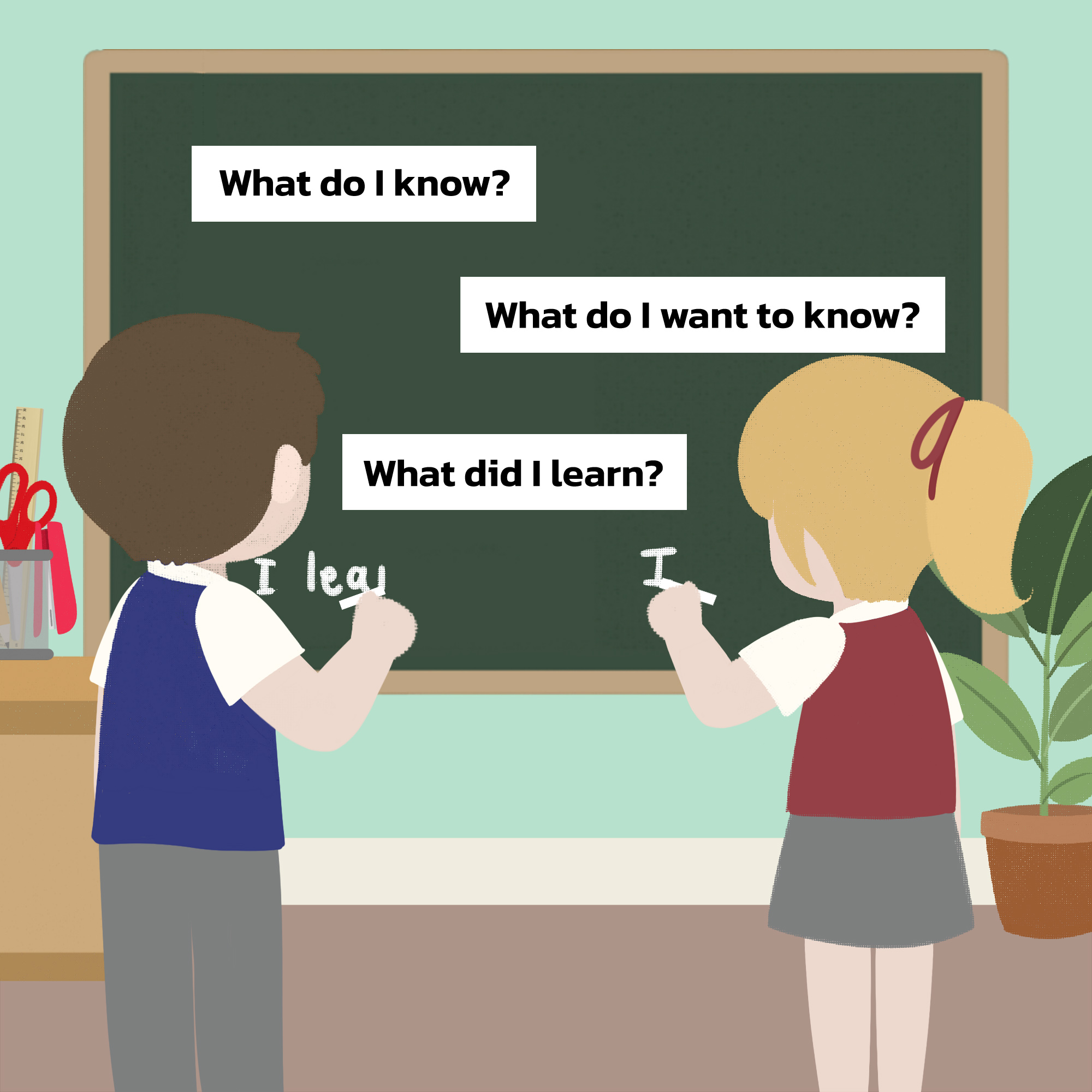
Begin each lesson by explicitly stating the learning objectives. Encourage students to reflect on what they already know about the topic and identify what they hope to achieve. This metacognitive approach helps students understand the purpose of their learning and fosters a sense of ownership over their educational journey.One creative way that I advise you do this is by using the Three As technique.
#2: Think Aloud
Model the thinking process by verbalizing your thoughts as you solve problems or analyze information. Demonstrate how to monitor comprehension, clarify doubts, and adjust strategies when faced with challenges. This modeling helps students develop metacognitive skills by providing them with concrete examples of how to approach different tasks.Use my blog post on the Metacognition Cycle if you’re looking for ideas on how to verbalise your thoughts correctly.
#3: Reflect on Learning
Introduce reflective practices, such as journaling or class discussions, where students can express their thoughts, insights, and challenges encountered during the learning process. Regular reflection encourages metacognition by prompting students to evaluate their progress, identify areas for improvement, and consider alternative approaches. This great blog post by Martyn Kenneth describes some excellent self-reflection tools that can be used by students and teachers, so check it out!
#4: Promote Self-Questioning
Encourage students to ask themselves questions throughout the learning process. Teach them how to generate thought-provoking questions that assess their understanding, probe deeper into a topic, or anticipate potential difficulties. Self-questioning helps students activate prior knowledge and monitor their comprehension, fostering metacognitive awareness.
#5: Scaffold Metacognitive Strategies
Teach students specific metacognitive strategies, such as summarizing, predicting, visualizing, and self-monitoring. Provide step-by-step guidance initially, gradually shifting responsibility to the students. These strategies become valuable tools for students to manage their learning independently, fostering critical thinking and problem-solving skills.
#6: Use Graphic Organizers
Incorporate graphic organizers, such as concept maps, flowcharts, or KWL charts, to help students organize and visualize their thoughts. These visual aids facilitate metacognition by enabling students to connect new information to existing knowledge, identify knowledge gaps, and track their progress. A good place to start for ideas is this blog post on differentiating texts, which provides examples of some types of graphic organizers that can help students to digest large bodies of information.
#7: Encourage Peer Collaboration
Promote collaborative learning activities where students work together, discuss ideas, and provide feedback to their peers. Peer interactions create opportunities for metacognitive dialogue, allowing students to articulate their thinking processes, challenge assumptions, and gain alternative perspectives.
#8: Provide Timely Feedback
Offer constructive feedback that focuses not only on the final product but also on the thinking and problem-solving strategies employed. Help students reflect on their performance, identify strengths and weaknesses, and suggest strategies for improvement. Effective feedback promotes metacognitive development by guiding students’ self-reflection and self-adjustment.
#9: Foster Metacognitive Reading
Teach students reading strategies that enhance metacognitive awareness, such as previewing texts, making predictions, asking questions, and summarizing key ideas. Encourage them to monitor their comprehension while reading, using strategies like self-questioning or visualizing to deepen understanding.Reading can often be coupled with group or self-reflection to encourage deep learning (as opposed to surface learning). Please see my blog post about developing a passion for reading in students, here.
#10: Teach Metacognitive Transfer
Guide students in applying metacognitive strategies across various subject areas and contexts. Help them recognize the transferability of metacognitive skills and encourage their application beyond the classroom, fostering lifelong learning habits.
Conclusion
By incorporating metacognitive strategies into your teaching practice, you can equip your students with essential tools for self-regulation, critical thinking, and lifelong learning. The deliberate cultivation of metacognition empowers students to take ownership of their learning processes, fostering a sense of autonomy and self-efficacy. As they become more aware of their thinking and learning strategies, students can monitor their progress, identify areas of growth, and adapt their approaches accordingly.
Integrating metacognitive strategies into your lessons not only enhances academic performance but also nurtures valuable life skills. By encouraging students to reflect on their learning experiences, set goals, and analyze their own thinking, you are fostering metacognitive transfer—the ability to apply these skills in various contexts beyond the classroom. This transferability prepares students to navigate the challenges of higher education, careers, and personal growth.
All of this promotes deeper engagement and active learning in the classroom. Students who are metacognitively aware are more likely to approach tasks with a growth mindset, embracing challenges as opportunities for growth rather than being discouraged by setbacks. They become more resilient learners, willing to persevere through difficulties and develop strategies to overcome obstacles.
As educators, it is our responsibility to empower students with the tools they need to become self-regulated learners and successful individuals in an ever-changing world. By incorporating these ten strategies into your teaching repertoire, you are setting the stage for transformative learning experiences that will equip your students with the metacognitive abilities they need to thrive academically, professionally, and personally. Embrace the power of metacognition, and watch your students blossom into confident, self-directed learners who are prepared to tackle any challenge that comes their way!
We welcome you to join the Richard James Rogers online community! Join us on Facebook and Twitter for regular updates, giveaways of Richard’s books, special offers, upcoming events and news.
As a teacher, it’s important to have a solid understanding of the principles that underpin effective instruction. One set of principles that has gained widespread recognition is the set proposed by Barak Rosenshine, a former professor of educational psychology at the University of Illinois at Urbana-Champaign. In this blog post, we’ll explore 10 ways you can apply Rosenshine’s principles to your lessons to help your students achieve their full potential.
#1: Start with a clear objective
According to Rosenshine’s principles, the first step in effective instruction is to start with a clear objective. Before you start your lesson, make sure you have a clear understanding of what you want your students to learn.
You may wish to use the ‘Three As‘ to present objectives to the students via a self-discovery process (very powerful). The ‘Three As’ stand for Assign, Analyse and Ask. It’s a simple three-step process for starting each lesson, and allows for the teacher to be as creative as he or she wishes when articulating lesson objectives:
Assign a starter activity, that links to the topic somehow. This can be as simple as a video playing on the screen as the kids walk in, a worksheet or even a learning game.
Analyse the starter activity: This may involve peer-assessing the task, having a class discussion, quick-fire questions or a ‘True or False’ activity
Ask the students: What do you think we are learning about today? This may generate some discussion, but if the ‘Assign’ and ‘Analyse’ parts have been designed properly, then it should be obvious.
For ideas on good starter activities, this blog post is really useful.
#2: Use a variety of examples
Using a variety of examples is a great way to help your students understand the concepts you’re teaching. Use different types of examples, such as visual aids, case studies, or real-life scenarios, to help your students better understand the material.
Different types of examples can help students to better grasp the concepts being taught, as they provide a range of contexts and perspectives from which to view the material. Visual aids, for instance, can be especially effective in conveying complex information in a way that is easy to understand and remember. Case studies and real-life scenarios, on the other hand, can help students connect abstract concepts to real-world situations and make the learning experience more meaningful.
When selecting examples to use in your lessons, it’s important to choose ones that are relevant to your students’ interests and experiences. For instance, if you’re teaching a science lesson on environmental sustainability, using examples that relate to your students’ local community or region can help to make the material more relatable and engaging. Additionally, it’s important to use a mix of examples that are both challenging and accessible. Providing examples that are too easy may bore your students and cause them to disengage from the lesson, while using examples that are too difficult can lead to frustration and discouragement. Striking the right balance between challenging and accessible examples can help to keep your students engaged and motivated throughout the lesson.
#3: Provide guided practice
Guided practice is an effective way to help your students develop their skills and knowledge. Provide your students with opportunities to practice what they’ve learned, but make sure you’re there to guide them through the process.
During guided practice, the teacher provides students with guidance and feedback as they work through problems or exercises related to the material being taught. This can help students to develop their skills and knowledge more effectively than if they were simply left to work independently. Guided practice can take many forms, such as structured activities, group work, or one-on-one interactions with the teacher.
When implementing guided practice in your lessons, it’s important to provide clear instructions and expectations to your students. Make sure they understand what they’re supposed to be doing, and provide them with any necessary resources or materials. Additionally, it’s important to monitor your students’ progress and provide feedback along the way. This can help them to identify areas where they need to improve and make adjustments accordingly. Finally, it’s important to ensure that guided practice is appropriately challenging for your students. Providing practice that is too easy or too difficult can lead to disengagement or frustration. By providing practice that is appropriately challenging, you can help your students to develop their skills and knowledge more effectively.
#4: Use frequent checks for understanding
Frequent checks for understanding can help you gauge how well your students are understanding the material. Use questions, quizzes, or other methods to assess your students’ comprehension of the material throughout the lesson.
Checks for understanding help to ensure that students are comprehending the material being taught and can identify areas where additional support or instruction may be needed. Frequent checks for understanding can take many forms, such as questions, quizzes, or discussions. By incorporating frequent checks for understanding into your lessons, you can help to ensure that students are engaged and actively learning throughout the lesson.Verbal questions are often all that’s needed, just ensure you are not asking the same students to answer. Consider using random name generators (my favorite is the Wheel of Names).Live quiz apps, such a Blooket, Kahoot!, iSpring Quizmaker and others are also great ways to frequently check understanding within lessons, in real-time.
When using frequent checks for understanding in your lessons, it’s important to provide feedback to students on their performance. This can help them to identify areas where they may need additional support or instruction and make adjustments to their learning strategies. Additionally, it’s important to vary the types of checks for understanding used in your lessons to accommodate different learning needs and abilities. For example, some learners may benefit from diagrams or graphic organizers, while other learners may benefit from class discussions or lectures. By using a variety of checks for understanding in your lessons and providing regular feedback, you can help your students to develop a deeper understanding of the material and achieve their learning goals more effectively.
#5: Scaffold your instruction
Scaffolding your instruction can help your students learn more effectively. Start with simpler concepts and gradually increase the complexity of the material to help your students build a strong foundation of knowledge.
Scaffolding your instruction means breaking down complex concepts into smaller, more manageable pieces that build upon each other. This approach can help students to understand and retain information more effectively by giving them the opportunity to build a strong foundation of knowledge before moving on to more complex material. Scaffolding can take many forms, such as providing students with background information, asking leading questions, or providing step-by-step instructions for completing tasks. By gradually increasing the complexity of the material, students can develop their skills and knowledge in a structured and supportive environment.
When implementing scaffolding in your lessons, it’s important to keep in mind the needs and abilities of your students. This means providing scaffolding that is appropriate for their level of understanding and adjusting your approach as needed. Additionally, it’s important to make sure that scaffolding does not become overly restrictive or limiting for your students. While providing structure and support is important, it’s also important to allow students the opportunity to explore and make their own connections between concepts. By striking a balance between structure and flexibility, you can help your students to develop a strong foundation of knowledge while also allowing them the opportunity to think critically and creatively.
#6: Provide feedback
Feedback is an important component of effective instruction. Provide your students with feedback on their performance, both positive and constructive, to help them improve.
I’ve written a LOT about feedback in the past, and there’s lots that we could explore here. However, if I were to distil the essentials into a few bulletpoints, they would be as follows:
State the negatives first, then follow with positives
Use verbal feedback, but make sure the students take action on what you have said
Use time-saving marking strategies which are efficient and effective (e.g., ‘live’ marking, peer assessment, self-assessment and automated assessment)
#7: Use models and examples
Using models and examples can help your students better understand the concepts you’re teaching. Provide your students with examples of how to apply the material to real-life situations to help them make connections.
Models and examples can take many forms, such as diagrams, charts, or simulations. By providing students with concrete examples of how a concept works, you can help them to build a mental model of the concept and understand how it can be applied in different situations. Additionally, using a variety of models and examples can help students to see the same concept from different perspectives, which can lead to deeper understanding and better retention of the material.
When using models and examples in your lessons, it’s important to choose ones that are appropriate for your students’ level of understanding. Providing examples that are too complex can lead to confusion and frustration, while using examples that are too simple can lead to boredom and disengagement. Additionally, it’s important to provide students with opportunities to interact with the models and examples, such as by asking them to explain how they work or to identify different features. By providing opportunities for active engagement with the material, you can help students to develop a deeper understanding of the concepts being taught.
#8: Use a variety of instructional strategies
Using a variety of instructional strategies can help keep your students engaged and interested in the material. Use different methods such as lectures, discussions, group work, or hands-on activities to keep your students engaged.
Every student has unique strengths, and by using a variety of instructional techniques, you can help to accommodate these differences and ensure that all students are able to engage with the material being taught. Some effective instructional techniques include direct instruction, group work, hands-on activities, and multimedia presentations. By varying your approach, you can keep students interested and engaged in the learning process, which can lead to deeper understanding and better retention of the material.
When using a variety of instructional techniques in your lessons, it’s important to keep in mind your learning objectives and the needs of your students. Different techniques may be more effective for different types of learning objectives or for different groups of students. Additionally, it’s important to provide clear instructions and expectations for each technique you use. This can help to ensure that students understand what they’re supposed to be doing and how the technique relates to the material being taught. By using a variety of instructional techniques in your lessons, you can help to create a dynamic and engaging learning environment that supports the needs and interests of all your students.
#9: Review and revise
Review and revise your instruction to ensure that you’re meeting your students’ needs. Regularly assess your students’ progress and adjust your teaching methods accordingly.
Providing opportunities for regular review is an essential part of effective instruction. Review allows students to reinforce their learning and connect new concepts to previously learned material. It also helps to identify areas where students may need additional support or instruction. Regular review can take many forms, such as quizzes, games, or discussions. By incorporating review into your lessons, you can help to ensure that students are retaining the material being taught and developing a deeper understanding of the concepts.
When implementing regular review in your lessons, it’s important to provide opportunities for both formal and informal review. Formal review activities, such as quizzes or exams, can help to provide a structured and systematic approach to review. Informal review activities, such as class discussions or games, can be more flexible and allow for more creative and interactive review. Additionally, it’s important to provide regular feedback to students on their performance during review activities. This can help them to identify areas where they may need additional support or instruction and make adjustments to their learning strategies. By providing regular review opportunities in your lessons, you can help your students to develop a deeper understanding of the material and achieve their learning goals more effectively.
#10: Provide closure
Provide closure at the end of your lesson to help your students solidify their understanding of the material. Summarize the key points of the lesson and provide your students with an opportunity to ask any remaining questions they may have.
Channeling the energy of your students in a healthy and competitive way should be one of the core aims of all plenaries. Reviewing the content and skills learnt in class in a fun, competitive and energetic way can really help with memory and concept retention. Do this consistently each and every lesson and watch your students make tremendous progress as the weeks and months roll by!
By applying Rosenshine’s principles to your lessons, you can help your students learn more effectively and achieve their full potential. Remember to start with a clear objective, use a variety of examples, provide guided practice, use frequent checks for understanding, scaffold your instruction, provide feedback, use models and examples, use a variety of instructional strategies, review and revise, and provide closure.
We welcome you to join the Richard James Rogers online community! Join us on Facebook and Twitter for regular updates, giveaways of Richard’s books, special offers, upcoming events and news.
As teachers, it can be challenging to navigate the diverse groups of students in our classrooms while also upholding the values and principles we believe in. With the current trend of progressive ideologies being pushed in schools, it can feel overwhelming at times to combat ideas that are contrary to our own. However, there are strategies that teachers can implement to promote critical thinking, encourage diverse viewpoints, and foster an open-minded learning environment. Here are some ways to combat ‘woke’, or ‘progressive’, ideologies in schools:
#1: Promote Critical Thinking
One of the most effective ways to combat progressive ideologies in schools is to promote critical thinking. Encourage your students to think independently, question assumptions, and analyze facts. Give them the tools they need to evaluate arguments objectively, and let them come to their own conclusions. Encourage debate and discussion, and create an environment where students feel comfortable expressing their viewpoints without fear of judgment or ridicule.
Here are some good resources that can help you facilitate the critical thinking process in your lessons:
Another way to combat progressive ideologies in schools is to teach the value of diversity. Encourage your students to appreciate different cultures, religions, and perspectives. Emphasize the importance of tolerance and respect, and create opportunities for your students to learn from one another. When students understand the value of diversity, it becomes harder for progressive ideologies that promote exclusivity to take hold.
#3: Encourage a Growth Mindset
Progressive ideologies often promote victimhood, entitlement, and a lack of personal responsibility. To combat these ideologies, teachers can encourage a growth mindset. Teach your students that they are capable of achieving anything they set their minds to, and help them develop a sense of personal responsibility for their own success. Encourage them to embrace challenges and see failures as opportunities for growth.
Here are some resources that can help you get your studentsto adopt a growth mindset:
To combat the influence of progressive ideologies in schools, it’s important for teachers to help students develop strong values. Encourage your students to think about what they believe in, and teach them the importance of virtues such as honesty, integrity, and respect. When students have a strong sense of values, they are less likely to be swayed by ideologies that conflict with their beliefs.
#5: Stay Informed
Finally, it’s important for teachers to stay informed about the progressive ideologies that are being promoted in schools. Attend workshops and seminars, read blogs and articles, and participate in discussions with colleagues. By staying informed, we can better equip ourselves to combat these ideologies and promote a learning environment that is free from political bias.
Conclusion
In conclusion, it’s possible to combat progressive ideologies in schools by promoting critical thinking, teaching the value of diversity, encouraging a growth mindset, helping students develop strong values, and staying informed. As a teacher, it’s our responsibility to create an environment that fosters intellectual curiosity, promotes debate and discussion, and encourages students to think independently. By doing so, we can help our students become well-informed, thoughtful, and responsible citizens who are able to make a positive impact on the world.
We welcome you to join the Richard James Rogers online community! Join us on Facebook and Twitter for regular updates, giveaways of Richard’s books, special offers, upcoming events and news.
Over the past few months, the United Kingdom has seen a surge in teacher strikes as educators fight for better working conditions, increased pay, and improved benefits. As teachers across the country continue to protest, it’s important to understand the reasons behind the strikes and how teachers can respond.
The teacher strikes in the UK have been largely fueled by low pay and difficult working conditions. Many teachers are struggling to make ends meet, and they feel that they are not receiving the support they need to do their jobs effectively. Additionally, many teachers are feeling overworked and underappreciated, which has led to high levels of burnout and stress.
To respond to these challenges we, as teachers, should consider taking a number of steps. First, we should seek out support from our colleagues, unions, and other organizations that are working to improve working conditions for teachers. By working together, we can make our voices heard and push for meaningful change.
Secondly, as teachers, we should prioritize our own self-care and well-being. This might include setting boundaries around work, seeking out professional development opportunities, and taking time off when needed. By taking care of ourselves, we can ensure that we are able to show up for ourstudents and colleagues in a meaningful way.
Thirdly, we should be willing to engage in dialogue with policymakers and other stakeholders in the education system. By sharing our experiences and insights, wecan help shape policies that better reflect the needs of educators and students alike. Twitter is quickly becoming a top platform for online collaboration in the education sector.
Conclusion
Ultimately, the teacher strikes in the UK represent a powerful call for change in the education system. While the road ahead may be long and difficult, teachers can make a meaningful difference by coming together, taking care of themselves, and engaging in productive dialogue with other stakeholders. By doing so, they can help ensure that all students receive the high-quality education they deserve.
Executive coaching is a process in which a coach works one-on-one, or in a small group, with executives to help them achieve their goals and improve their professional performance. At the outset, it can seem like an intimidating and daunting process, particularly for those who are new to it. However, with the right strategies and approaches, executive coaching can be incredibly beneficial, both for the executives who receive it and for their organizations as a whole.
We’ll be using the word ‘thinker’ in place of ‘coachee’/’client’ (a concept I’ve taken from Claire Pedrick’s excellent book, Simplifying Coaching), as that’s what the executives/students you are working with are – people who are encouraged by their coach to think deeply when creating their own goals, and who carefully craft potential solutions to any problems they may face in their professional lives.
One thing to bear in mind before we start is that executive coaching strategies can beused in multiple spheres of life: in business, when mentoring students and even in your role as a mentor for trainee teachers. In this post, we’ll take a look at some key strategies to keep in mind if you’re a beginner in executive coaching.
#1: Set clear goals
It’s essential to have a clear idea of the goals you, and the thinker, want to achieve through executive coaching. What specific skills or areas does your thinker want to improve? What outcomes do they hope to achieve? Before beginning the coaching process, it’s important to work with your thinker to set clear, achievable goals that align with their overall professional objectives. The initial meeting may simply be an informal ‘getting to know you’ chat. This will certainly help to initiate the rapport-building process.
#2: Communicate openly
One of the most significant benefits of executive coaching is that it provides a safe space for thinkers to reflect on their strengths and weaknesses, identify areas for improvement, and craft strategies for achieving their goals. Through one-on-one or group sessions, thinkers can articulate their unique challenges and concerns and receive tailored feedback and guidance from a trusted third party, or from each other.
Effective communication is key to successful coaching. Be sure to encourage your thinkers to communicate openly and honestly with you, sharing their thoughts, feelings, and concerns. The more transparent they are, the better you can understand their needs and tailor the coaching process accordingly.
#3: Embrace feedback
Feedback is a crucial component of executive coaching, and it can sometimes be challenging to receive. However, being open to feedback is essential if you want to grow and improve your professional abilities. Be willing to accept constructive criticism and look for ways to apply the feedback you receive in your work – be that from your thinkers, or indirectly from colleagues your thinkers may be talking with. It can be useful to do some kind of anonymous ‘thinker reflection‘ if you have a small group (e.g., via Google Forms), or even to ask your group/individuals how they think the coaching is going. If you create an atmosphere of friendly, relaxed conversation, then the coaching process should flow naturally in an agreed direction.
#4: Work collaboratively
Coaching is a collaborative process, and it’s important to work closely with your thinkers to achieve any goals that have been agreed upon. Be willing to work closely with other coaches and seek their advice, engage in active listening, and be open to new ideas and approaches. See the recommended reading list at the end of this blog post for my favourite three books on executive coaching strategies.
#5: Encourage your thinkers to take action
Ultimately, executive coaching is pointless if your thinkers do not take action to implement the strategies and advice that has been discussed. Be proactive and encourage your thinkers to take the steps needed to achieve their goals. Even small steps can make a significant difference in their professional development.
Conclusion
In conclusion, executive coaching can be a highly effective tool for the professional development of the thinkers you are working with, even if you’re a new coach. By setting clear goals, communicating openly, embracing feedback, working collaboratively, and taking action, you can make the most of the coaching process and achieve your goals as a coach (and, ultimately, help your thinkers achieve theirs). Remember, the key to success is to stay committed and consistent in your efforts, and you’re sure to see positive results in due course.
Recommended Further Reading
Pedrick, C. (2021) Simplifying coaching: How to have more transformational conversations by doing less. London: Open University Press.
Reynolds, M. (2020) Coach the person, not the problem: A guide to using reflective inquiry. Oakland, CA: Berrett-Koehler Publishers, Inc.
Jones, G. and Gorell, R. (2021) 50 top tools for coaching: A complete toolkit for developing and empowering people. London: KoganPage.
We welcome you to join the Richard James Rogers online community! Join us on Facebook and Twitter for regular updates, giveaways of Richard’s books, special offers, upcoming events and news.
Effective teaching practices which are suitable for the Early Years Learning Framework (EYLF) include creating a play-based learning environment, observing and responding to each child’s individual needs and interests, building positive relationships with families, and using intentional teaching strategies. Play-based learning allows children to explore, discover and learn through hands-on experiences. Observing children and responding accordingly allows educators to tailor their teaching to the needs of each individual child. Building positive relationships with families fosters a sense of collaborative partnership in the child’s learning journey. Intentional teaching strategies involve planning and implementing purposeful learning experiences that promote children’s knowledge, skills, and interests. These teaching practices support the holistic development of each child, including their emotional wellbeing, social skills, language development, and cognitive growth.
Today, I’ve invited Jessica Robinson, educational writer at The Speaking Polymath, to share her insights and tips for implemeting best practice when delievering the EYLF.
The environments we expose our children to during childhood play a part in their brain development, learning experiences, and overall life. When children are exposed to positive learning environments, they attain a widened mindset about life.
Parents and teachers play a vital role in a child’s learning experiences. Moreover, it’s the parents that cultivate a firm foundation for their children’s learning. Science also asserts that brain development in children is almost complete by the age of five.
This means that when children are provided with a positive environment, they are more likely to thrive and develop reliable life skills. These range from curiosity, independent thinking, creativity, problem-solving, and many more.
A good learning environment during childhood also enlarges a child’s mindset. It helps him or her remain open to learning and develop competencies for every study area. Many children have trouble learning, it is sometimes because they received no reliable support while growing up.
However, a supportive learning environment helps a child develop an interest in certain subjects that are seen as complicated by other kids. For example, many students hate science. Not because they are dull, but because they weren’t provided a positive environment to learn. On the other hand, some children are able to perform exceptionally in class because they receive the support they need, both at home and school.
If you’re a parent, you might be thinking of how to provide a supportive environment for your child’s learning and cognitive development. Or perhaps you’re a kindergarten teacher who wants to provide meaningful learning experiences for young kids.
The Early Years Learning Framework (EYLF) details a range of pedagogical practices that educators and parents can leverage to promote early learning. The framework emphasizes three aspects vital to children’s upbringing and learning. These include belonging, being, and becoming. It is designed to inspire conversations, and improve communication.
The EYLF learning outcomes also help children develop a strong sense of identity, understand the world they live in, and develop the desire to learn continuously. However, for children to dimensionally benefit from the framework, their parents and educators must identify children’s strengths, weaknesses, and interests.
This helps them choose appropriate teaching strategies and design the learning environment accordingly. In this blog, we look at some of the best EYLF practices that can support children’s learning and development. Let’s get started.
The 7 Best EYLF Practices for Parents and Teachers
#1: Holistic Approaches
Gone are the days when children’s learning mediums only emphasized intellectual development. The modern world is changing at a great speed and learning these days, exceeds that. Precisely, children need more than intellectual stimulation and good scores to thrive in life.
They require a set of skills that range from critical thinking, independent thinking, emotional intelligence, and problem-solving skills among others to succeed in life. Implementing holistic learning approaches helps children to dimensionally be prepared for life; i.e in school, workplace, and homes.
Holistic learning practices can be incorporated into a child’s daily life to foster emotional, social, physical, and intellectual development. In this case, parents and teachers can consider;
Stories and songs
These are very effective in promoting cognitive development in children. They stimulate a child’s awareness and also improve emotional and self-regulation capabilities.
Games & Play
Provide a child with indoor materials to play with and you can also take a child out to playgrounds. These mediums help in the development of sensory organs, limbs, hand-eye coordination, and gross and fine motor skills. They also help a child develop physically.
Additionally, consider taking your child for walks, and shopping, or let him or her play with others. Exposing the child to the natural environment helps them grow mentally. You can also consider other activities like gardening where they directly come into contact with the earth.
Painting
This is one of the best early childhood activities that promote cognitive development. Painting, coloring, colored objects, and music allow children to develop and use their senses. They also help children express their emotions and convey ideas. Above all, they increase their imagination.
#2: Responsiveness
During childhood, children are very sensitive and if not attentive, parents and teachers are more likely to misinterpret children’s feelings. During this phase, children ask many questions and when provided with a positive learning environment, their love to learn and evolve is fostered.
However, when parents and teachers fail to understand children’s questions, their emotions, and act accordingly, children are discouraged from many things.
With that, take note of their emotions, thoughts, words, and actions and ensure to remain responsive. Responsiveness is key to promoting learning and also helps teachers evolve with the changing learning environments. For example, when it comes to teaching diverse classrooms.
“An AMAZING book!”
Consider leveraging inquiry-based learning, open-ended questions, and problem-based learning. Questions like “I wonder why babies cry” help children to think about the question, analyze it, and offer answers depending on what they think.
Also, consider extending parent or teacher talk time. The more you’re available to a child, the more it cultivates trust. These learning mediums also help children to think out of the box and put themselves in that position. This helps improve EYLF outcomes as children are able to relate to the questions.
#3: Playing
Playing during the early years is associated with a range of benefits. Streaming from physical development, motor skill, cognitive, and social skill development, playing caters to emotional well-being. Therefore, as a parent, guardian, or teacher, ensure to provide safe playgrounds for children.
Playing caters to learning in many ways, especially outdoor playing. Outdoor activities like running, building, catching the ball, and hide and seek are immersive learning experiences. They not only help children to put their creativity to use, test out ideas, and build new understandings, but they also help children to break free.
Playing conforms to the aspect of being as it helps them enjoy their childhood and build relationships. It also exposes the children to nature which helps them learn more about their surroundings. Besides that, children are able to realize the diversity of the world we live in. For example, the different cultures, plant species, and races among others.
Other mediums to promote playing among children include providing them with play materials for example crayons, fabrics, blocks, and any other materials that can help them use their creativity. All round, playing contributes to sensory, cognitive, linguistic, social, and emotional learning.
#4: Promote Positive Learning Environments
Environments make a lot of difference during learning. Precisely, they can either break or make a child. During the early years, children are entirely new to everything, and the environments they are exposed to play a big role in their cognitive and personality development.
As a parent, consider providing a safe learning environment for your child. You can consider indoor play materials or online STEM apps. Play materials and learning apps help children to develop curiosity and to use their free time productively.
Stem resources have proven to help children develop an interest in science subjects. They also help them think critically, analytically, and creatively. Parents can also consider leveraging teaching mediums for example storytelling, singing, and playing.
On the other hand, teachers can leverage a range of teaching mediums, for example, outdoor activities, group discussions, and classroom lessons. These learning experiences foster a positive learning environment that promotes holistic development in children.
Generally, children are able to play, test ideas, share thoughts, and explore. These help them to develop emotionally, physically, socially, and personally. All in all, positive learning environments comprise social interactions and safe spaces that also cater to cultural diversities.
#5: Intentional Teaching
Intentional teaching mediums are deliberately designed to help children learn specific things. It can be a subject, an activity, or a test. For example, if you want a child to learn the habit of sharing, you will have to directly tell the child to share with others.
Intentional teaching may also involve intervening with a child when doing something to correct them. For example, asking a child to explain what he is doing. A child will have to stop and think about his or her actions in order to provide an answer.
Other intentional teaching mediums include striking meaningful conversations with children. For example, talk about your father. Other ways include creating opportunities for a child to take initiative. Other considerations are active learning strategies like peer teaching.
All these avenues allow a child to think independently, evaluate scenarios, and develop new perspectives. Additionally, intentional teaching helps children reflect on their actions, behaviors, and emotions. However, a parent or a teacher must be strategic.
First and foremost, recognize a child’s unique strengths and weaknesses and then tailor learning experiences accordingly. You can consider purposefully choosing activities that foster EYLF learning outcomes. For example, painting to improve imagination, and playing to boost interpersonal skills and communication.
Besides that, help them develop their interests and hobbies. For example, once you notice that your child likes music, start playing songs and watch his or her reaction.
Also, you can motivate, recognize, and praise. Praising children encourages them to keep learning and trying out new things.
There are many ways to offer praise and encouragement. Beyond verbal compliments, you can also reward children by letting them choose a favorite activity, select a prize they love, or even receive custom keyrings — a fun and meaningful option.
These custom keyrings can be personalized with cartoon characters and designs the child enjoys, along with their nickname, a personal image, or a special message of encouragement from you. You can also use their favorite colors to create unique, one-of-a-kind keyrings just for them.
When children receive such a thoughtful, customized gift as a reward for their hard work, they’ll feel both surprised and proud — motivating them to keep striving to become the best version of themselves.
#6: Enabling Transition
Any positive learning environment caters to smooth transitions. Learning evolves and children must develop such a mindset while still young. Besides that, children go through significant transitions in the early stages. These can be within the home, community, or on a bigger scale.
Parents and teachers must foster mediums that enable children to transition seamlessly. For example, explain to the child why he or she needs to shift to another bedroom. Or, you can explain to a child why he or she needs to stop eating a lot of candies.
Change shouldn’t be drastic and children should be given time to adjust. Therefore, parents and teachers can consider mediums that gradually introduce children to change. These can be providing learning spaces that cater to change and continuity. Also, parents and teachers must leverage teaching mediums that help children attain the necessary flexibility.
#7: Assessing & Monitoring Learning Progress
It is important for parents and teachers to monitor, document, and evaluate children’s learning outcomes. Evaluating children’s learning outcomes helps parents and teachers identify learning gaps and develop personalized teaching mediums.
For example, when a mother realizes that her child’s cognitive development is lagging, she can decide to see a doctor. However, this is possible when a child is monitored as per the baby’s development stages.
She will also leverage teaching models that help a child improve speech, numeracy, social and literacy skills. Therefore, as a parent or teacher, ensure to track children’s learning outcomes to identify delays or upgrade teaching mediums.
Bottom Line
The Early Years Learning Framework (EYLF) is a curriculum designed to support the development of children from birth to five years of age, or before starting primary school. The framework can be adopted by mothers and educators as a way of providing a firm foundation for children’s learning and development.
The framework details outcomes that children are expected to attain when leveraged effectively. With that, parents and teachers must consider activities and lesson plans that foster learning outcomes such as social skills, and intellectual capabilities among others.
We welcome you to join the Richard James Rogers online community. Like our Facebook page, follow us on Instagram and check out our Twitter feed for the latest news, blog posts and commentary.