6 Ways Virtual Reality Can Transform High School Education

Updated: 17th July 2022

Accompanying podcast episode:

According to Fortune Business Insights, the global virtual reality in education market is booming, and is projected to grow by an average of 45.2%, every year, between now and 2029. Teachers everywhere would be wise to skill-up and take courses in Virtual Reality EdTech in order to get prepared for the exciting changes we will soon see in our classrooms. Today, I’ve invited Kiara Miller from The Speakingnerd to share her insights into how VR will change the way we do things as educators for many years to come.

Kiara Miller

Gone are the days when all you had to do was walk into a classroom, explain a concept, dictate notes, and call it a day. These days you can offer your students more than that, thanks to technology. Technology in the education sphere is a hot topic and trust me, it will remain so as long as the world continues to embrace it.

Nowadays, teachers can offer students meaningful and impactful learning experiences using Virtual Reality technology (VR). According to this recent report by Global News Wire, the virtual reality market in the education sphere is expected to reach $8.66 billion in 2022, at an annual growth rate of 36%. In fact, 97% of students in technologically developed/developing countries would like to study a VR course.

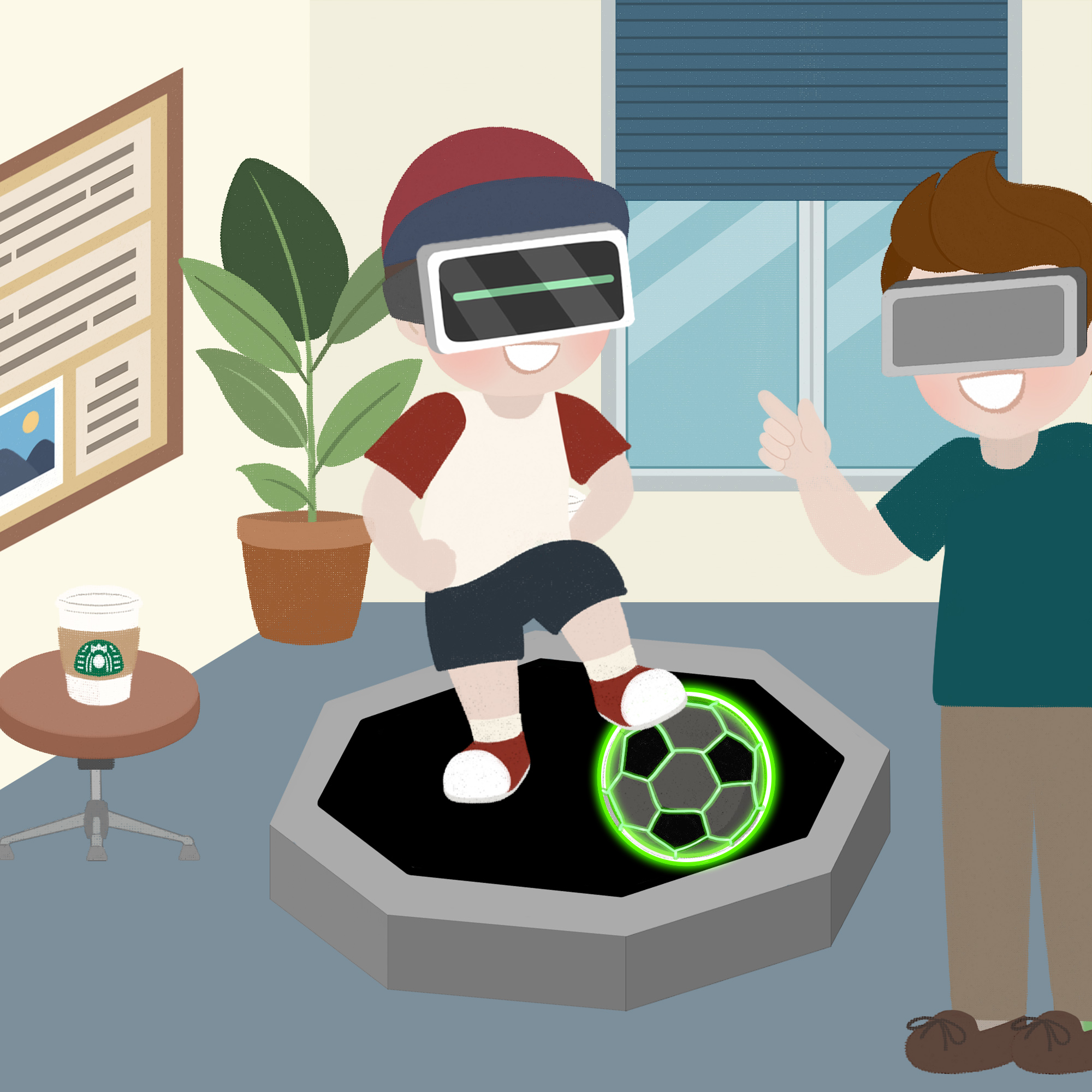
360 VR is a type of VR that is commonly used in education. It offers immersive experiences by using specialist cameras and equipment to capture real-world locations. The content is then viewed on VR headsets or projected onto walls. Students don’t have to leave their classrooms or spend a lot of money to travel to locations that were once imagined. Virtual trips can happen anywhere and anytime as long as the students have the right equipment.

In a world where it is increasingly becoming difficult to attract students’ attention, engage them or keep them motivated to pursue studies, virtual reality technology seems to have the potential to provide at least a partial solution. It is associated with a range of benefits that we are going to explore together today.

The 7 Vivid Ways Virtual Reality can Transform School Education 

#1 VR offers amazingly immersive in-class learning experiences

What are your thoughts about students vividly seeing what is being taught rather than imagining things? STEM subjects such as biology, computer science, and architecture require hands-on experience for students to obtain a deeper understanding of the concepts and to build their expertise. Virtual reality allows educators to embed really impactful learning experiences into their curricula.

We live in a world that is increasingly dependent on technology and obtaining digital skills is seen as the way forward for future professionals. Using virtual reality in schools helps to provide in-depth knowledge to students on what is being taught. They can zoom in and out of locations that are a thousand miles away, observe how human blood flows throughout the body and even conduct specialized surgery.

VR brings things closer to students and makes things a reality that could have been impossible to relate to otherwise. It also allows students to interact with objects, chemicals or scenarios that could be too dangerous to interface with in the real world.

#2: Intricate concepts are simplified

There is nothing that hurts quite like like teaching a concept to students and then receiving negative feedback at the end of it. Teaching is a profession that requires patience, especially when describing and explaining difficult concepts or topics to students who may not have the ability to grasp the content immediately.

VR technology can help students to decipher intricate concepts with the help of images, videos, or virtual tours. VR is also an excellent add-on to a range of active-learning strategies since users are immersed in, and interact with, 3D worlds.

Intricate concepts are not easy to unpack and yet they also vary in their degree of complexity. Cases where learners can’t visualize what a teacher is talking about tend to produce confusion. Students tend to become passive learners in such scenarios, which negatively affects their performance. VR technology offers a solution in that it can be introduced to classrooms to help students get a clear view of the concepts being taught.

#3: Increases engagement 

Unlike traditional teaching methods, Virtual Reality can fully immerse students in the lesson being taught. Seeing something for the first time or that which seemed impossible increases enthusiasm and also maintains a high level of attentiveness. With the help of virtual reality tools, students can connect to worlds and objects which are normally out of their reach.

VR also stimulates higher levels of imagination which helps students understand concepts better than when just reading about them. The interactions enabled by VR help to keep students’ engagement high throughout the lesson.

#4: Increases practicality

Reading about something is different from having hands-on experience. Students that put more emphasis on learning concepts than practicing them find themselves increasingly left out. In simple terms, knowledge without practicality has a limited impact on students. For certain fields like biology, engineering and computer science, practical skills are vital to survival in an increasingly competitive world.

VR can increase students’ ability to understand concepts, implement what is learned and think of new ways of doing something better. Reading about something and learning how it works helps students believe that they are set on the right path. Also, it helps them set SMART Goals which are believable and achievable. With that, virtual reality offers a new meaning to education, by letting students know that they can put to use what’s learned.

Teaching makes a difference when learners are able to put what’s learned into use. In today’s world where skills are the top need of the hour, in-school training is essential and VR can help out. Using VR in class lays a platform for deep learning which helps students understand content better than when only surface learning takes place.

#5: It’s all-inclusive

Virtual reality has a wide range of applications in the education sphere. It can be used in architecture, philosophy, design or even in science classes. Videos can also be produced in a range of languages. On the other hand, it is suitable for all types of classes whether those occur in-person or remotely. Additionally, every student gets the chance to participate in and enjoy the experience: something which cannot be said for the majority of traditional teaching methods.

#6: Increases Retention

The purpose of teaching is to offer knowledge that can help students academically perform better and excel in their careers. However, the traditional teaching approaches, which tend to be text-based, do not offer optimal learning outcomes. With this approach, students tend to easily get bored, lose interest in science subjects and even perform poorly in exams due to low retention levels. 

VR is changing students’ school experiences by enabling effective learning to take place. Scientifically, the brain processes images better than text. This means that students can easily learn, retain and memorize what is taught in class with the help of VR technology. VR can also rewire the brain and enhance the neural relationships that are required for memory and learning to take place.

We welcome you to join the Richard James Rogers online community! Join us on Facebook and Twitter for regular updates, giveaways of Richard’s books, special offers, upcoming events and news. 
5 Ways Teachers Can Prevent Burnout While Teaching Online

It is no hidden fact that teaching is a stressful profession. From managing students to maintaining multiple records, teachers have a lot to deal with on a daily basis. Moreover, if stress remains unmanaged and unnoticed for a long time, it can even lead to serious burnout. Today, I’ve invited Jessica Robinson, educational writer at The Speaking Polymath, to share her insights and tips for maintaining a stress-free life as an online educator.

Accompanying podcast episode:

In modern times, where digitalization was supposed to take the burden off the shoulders, more stress was somehow added on to teachers. Moreover, it even led to serious burnout situations for some. If you think that these are just random verdicts of ours, let’s have a look at some of the statistics to back up these claims:

  • The world’s largest teacher burnout survey concluded that almost 65% of teachers are facing burnout in their jobs. Additionally, 85% were recognized as working “unsustainably” which led to a significant impact on their mental and physical health. 
  • As per the survey of March 2021, 42% of educators have considered retiring or quitting their current position last year, and they say it happened because of their shift to virtual learning or COVID19.
  • Almost 40% of the teachers believe that they are less productive when they are under stress.

These statistics are evidence enough that some teachers are still not comfortable with the virtual model of learning. Moreover, they are finding it hard to cope with the burnout occurring while teaching online. If you are a teacher, then there are chances you could have related to one of or all of the above-given statistics. Moreover, we understand how difficult it can be sometimes for you to handle so much pressure and still have a smile on your face while delivering the lectures.

That being the case, this blog will effectively highlight the top 7 strategies that can be utilized by you to prevent or deal with burnout while teaching online. 

5 Strategies For Preventing Burnout While Teaching Online

#1: Take the 4A’s approach

One of the most effective and efficient forms of preventing burnout is using the approach of 4A’s of stress management given by Mayo Clinic. To elaborate, 4A’s stand for Adapt, Alter, Accept and Avoid. A detailed elaboration of all the 4 A’s with respect to the teaching profession is presented below

  • Adapt – During online teaching, you may have to deal with different kinds of students and various situations regularly. Adoption of new things and changing your standards of dealing with things according to the virtual environment can lead to eliminating the scope of stress and burnout in different situations. 
  • Alter – When in a stressful situation that cannot be avoided, try altering your behavioral traits and communicating better. It is no hidden fact that during teaching we have to deal with a lot of stress associated with various types of work. Moreover, the link of physical communication is often broken in online classes. In such situations, try communicating openly with higher authorities about the problems you are facing. 
  • Accept – We often find it difficult to deal with situations when we are not ready to accept them. We can not deny the fact that virtual learning is the new normal. In order to accept the situation, first, you need to identify the stressors and then react accordingly. 

Identification and acceptance of stressors is the most important strategy in stress and burnout management. For instance, some people get stressed about teaching in front of a screen, while some feel burned out when it comes to grading papers. When you know and accept what you are stressed about, it becomes easier for you to respond to the situation.

  • Avoid – Believe it or not but there are situations where you can simply avoid the situation to reduce the risk of stress. You might have different tasks to perform within two days and the ideal way to deal with a situation is to plan the important things accordingly. 

#2: Set firm boundaries

One of the biggest issues teachers come across while teaching online is the lack of maintenance of work-life balance. Lack of work-life balance not only impacts your mental health but if continued for a long time, it can lead to serious burnout. Hence, it is really essential for you to set firm boundaries between your professional and personal life.

That is the reason many prominent people have explained why it is important to learn how to say ‘No’. This not only simplifies your life but also gives you enough time to relax and start your new day with a positive attitude again. 

In the scenario of online teaching, you can decide not to work after the classes which will give you enough time to plug out from the hectic schedule of virtual classes. This will assist you in maintaining your mental peace and will assist in regaining your energy back.

In order to effectively manage your time and set boundaries, you can use the Pareto principle to meticulously manage your time and get positive results.

#3: Try different stress-releasing activities

In online classes, teachers often feel burnout because the link to the physical world is broken and they get less time to focus on themselves. However, we need to always remember that self-care is not selfish. On the contrary, it’s about knowing the correct time to take some time off. This break will assist you in giving the time you deserve to maintain that mental peace.

While teaching online, you can just adjust your lectures with frequent short breaks which will give you enough time to regain your energy and relieve yourself from stress. In such situations below mentioned are some of the stress-relieving activities that you can try:

  1. Get away from your screens and relax your eyes
  2. Try meditation
  3. Drink your favorite tea or coffee on your balcony 

Moreover, did you know that taking a 30 minute walk can help in dropping your stress levels?  It’s not important to take a 30-minute walk at once, just divide your time and complete different sessions at times. This will assist in lowering your stress levels and can prevent burnout in a long run. Along with this, these activities will also contribute to your self-improvement.

#4: Give positive affirmations to yourself

Saying a mantra, such as “I know how to do it and I will do it” is an example of a positive affirmation that you can say daily. Positive affirmations will not only help you to reduce stress but also help in maintaining calmness in handling all of the challenging situations that arise throughout the day.

As per the article by Cohen and Sherman, affirmations are related to one’s identity, efficiency, and productivity. Psychological studies say that there are many changes that occur in the brain with self-affirmations.

For instance, when you are in an online class dealing with disruptions and you feel students are not under control – at that point various positive affirmations can help you. It will assist in calming you and release you from the stress of handling chaos in classrooms. This will also contribute to making you a happy teacher

#5: Delegate classroom responsibilities

In virtual classrooms, there are many responsibilities that need to be taken care of but can be performed without your supervision. In such scenarios, you can delegate the responsibility to your sincere students. Examples of such responsibilities may include:

  • Verbally reporting about the progress of the group they are working in
  • Creating, sharing and monitoring the creation of project work (e.g. Google Slides, Sites, Docs, Sheets, etc.)
  • Uploading project work to the relevant place (e.g. Google Classroom)

Conclusion

To encapsulate, nobody is denying the fact that teaching is not an easy profession. Moreover, virtual learning even made it tougher for teachers to cope with their stress. In that situation, the need is to effectively manage your mental health and try the above-given strategies to prevent burnout and embrace the changes that are happening in the education sector in the form of virtual learning. 

We welcome you to join the Richard James Rogers online community! Join us on Facebook and Twitter for regular updates, giveaways of Richard’s books, special offers, upcoming events and news. 

Cognitive Challenges of Language Learners in the Digital Age

We must keep in-mind the unique challenges that new technologies create for all of our learners: especially those who are learning a new language, or who are attempting to access a mainstream curriculum via a second or additional language. Today, I’ve invited Tatyana Cheprasova (Senior Lecturer and EFL/TEFL instructor at Voronezh State University, Russia) to give her expert analysis of the situation, along with many excellent suggestions that we can all take on-board going forward.

This blog post has been beautifully illustrated by Pop Sutthiya Lertyongphati 

With digital technologies rapidly taking over various spheres of our lives, a new pedagogical environment for acquisition, processing and transferability of knowledge and skills has been created. These digital shifts will inevitably affect the educational sector as one of the aims of any educational paradigm is to prepare learners to face the challenges of the real world which now cannot be conceived without digital imprints and influence. This article aims to explore the cognitive challenges this new educational reality places before language learners in the Digital Age. It also attempts to provide EFL teachers with insights into how their teaching procedures can be altered in order to meet the cognitive needs of ‘digital native’ learners.

In order to develop the right understanding of the factors affecting cognitive processes (such as perception, learning communications, associations, and reasoning) and the behavioural consequences for digitally native learners, it is deemed essential to explore the new educational environment within which they operate and develop.

The new pedagogical reality which integrates digital language learning (DLL), as with any educational paradigm or teaching tool, can have its own advantages and deficiencies which become visible and apparent when the context which coined a new pedagogical phenomenon is carefully scrutinised. The pedagogical settings we now operate within and which incorporate DLL need to be viewed as the natural evolutionary result of the educational development we have witnessed in the last few decades. According to Warschauer (2004:10), at the early stage, within the language learning domain of the final decades of the 20th century, computer-assisted language learning (CALL) or Structural CALL was strongly influenced by the behaviourist paradigm which shaped this type of DLL as merely stimulus-response, drill-based programmes which enhanced the learning of new vocabulary items or grammar under rigid teacher supervision. The ensuing transfer from a behaviourist to a communicative approach to language learning where meaningful interactions were given the priority also affected the whole nature of CALL design, giving rise to Communicative CALL which implied the use of computers to engage language learners in communicative activities (Warschauer, 2004:11). Finally, with the onset of integrative ICT, the technologies within the new educational paradigm have moved into the era of Integrative CALL which relies on agency and interactive communications (both of teachers and students) as an effective pedagogical tool to solve real-life tasks and problems in a community of peers on the internet (Warschauer, 2004:11).

The widespread implemetation of Integrative CALL which has soared in the field of ELT in the last two decades has been seen by many researchers as a mainly positive trend which has a lot to offer ELT practitioners in various educational contexts (Li and Lan, 2021). Thus, as argued by Grosjean (2019) and Al-Ahdal, (2020), the incorporation of AI and Big Data used in various language applications can facilitate ELT in that it provides learners with real-life language use settings as well as helping to trace down their language progress via the analysis of learners’ errors in L2 writing procedures. Additionally, the use of AI can lead to a more individualised, rather than one-size-fits-all, approach to language teaching where the pedagogical strategies and procedures are designed to meet learners’ requirements and profiles at its best (Li and Lan, 2021). Finally, mobile-assisted language learning (MALL) and game-based language-learning (GBLL) have been regarded by many scholars as possessing high teaching potential in terms of EFL outcomes as they provide students with language learning opportunities at their fingertips, anytime and anywhere, stretching beyond learning a language as limited to only traditional classroom settings (Shadiev, Zhang, Wu & Huang, 2020; Li and Lan, 2021).

Notwithstanding all of the above-mentioned advantageous implications DLL can offer as the new pedagogical dimension, both ELT practitioners and researchers have started to question its overall positive effects on learners’ cognition,  psychological and speech development, and their flux of consciousness, thus approaching the issue from both cognitive and social perspectives (Warschauer, 2004; Komlósi, 2016, Voulchanova et al., 2017; Chernigovskaya et al., 2020). The impacts these DLL-driven pedagogical settings can have on language learners are going to be discussed below.

At this point it is worth mentioning that the whole nature of the concept of ‘knowledge’ seems to have radically changed as the Cognitivism learning model has given way to the Constructivism Paradigm. Apparently, when learning occurs within a particular teaching model, the nature of knowledge evolves on the basis of how new data is generated and pedagogical assumptions about which strategies comprise the educational process, as the following comparison illustrates (see the table below):

As it is illustrated above, knowledge is no longer approached as a monolithic unit transmitted from a teacher to their students but rather as a dynamic heterogeneous construct characterised by boundless hypertextual structure where the reader (or a knowledge receiver) acts out as the author (or knowledge co-constructor) (Warschauer, 2004; Chernigovskaya, 2020).

This innovative type of knowledge might inevitably affect learners’ main cognitive processes. Indeed, as argued by the famous Russian neurolinguist Tatyana Chernigovskaya, the hypertextual nature of knowledge leads to the formation of an innovative learning environment, which she refers to as “shared consciousness”, where learners have to rely not on their memory capacity to recall various information quanta but rather on their ability to remember the source of the particular data storage, which, in turn, can seriously weaken working memory, especially that of young learners. Additionally, the hypertextual characteristics of the new type of knowledge  are believed to affect the development of learners’ reading skills as this process now implies the inclusion of critical literacy at the very early stages of their cognitive development. This represents a challenging task for young learners whose abilities to compare, contrast and analyse, as well as to make inferences, are not so well-formed as those of adult learners (Warschauer, 2004; Chernigovskaya et al., 2020). These factors might lead to the formation of new and superficially scrutinised skills of digital knowledge management which will need to be specially addressed when teaching L2 reading comprehension.

More importantly, according to Zou and Xie’s (2018) research on the integration of MALL in language learning, this new format of learning, although enhancing personal learning processes, can seriously impede learners’ attention: shortening their attention spans for learning, and therefore, affecting learners’ ability to concentrate and control their attention. In the same vein, as argued by Hsu et al. (2019), adolescent excessive use of mobile devices might have adverse effects on their abilities to integrate scientific knowledge and to make inferences, thus leaving them with a rather distorted, disintegrated and mosaic-like scientific worldview.

Furthermore, as stated by Komlosi (2016:167), the onset of DLL will urge researchers to reconsider and revisit the essence of communication as the new digital teaching paradigm has introduced radical changes in social cognition and communication in the new form of digital culture, which implies that its members operate in connected networks constituted by several types of ‘cognitive identities’. This newly coined term refers both to human and non-human social actors that function smartly and are expected to operate within a highly interlocked framework of multifaceted information flow and exchange. The agents of info-communications in the digital world are related to each other not by commonly shared cultural narratives, as negotiated within the traditional cognitive cultural anthropology, but by fragmented narratives revealed through spontaneous and rather unstable shared interests in networking, information construction and exchange, thus facilitating non-linear, multidimensional communicative interaction which can seriously impede the traditional vertical, authoritative and declarative patterns of cultural knowledge transmission (Komlosi, 2016:167). This change in the social cognition and behaviour paradigm might have adverse effects on learners’ cognitive skills as the long evolutionary process of linear information processing typical for any culturally coherent human community is now challenged by parallel and connected network-based information processing: making use of fragmented, encapsulated information chunks provided by a plethora of information sources, which, in turn, forces learners and educators to seek new strategies of information management and info-communications in novel contexts (Komlosi, 2016:168).

Conclusion

At this point, an important conclusion which can be drawn is that the wide incorporation of DLL we are witnessing now needs to be approached as an irreversible process offering a new perspective on information processing and knowledge management of language learners in various contexts.  Notwithstanding its obvious advantageous effects, DLL has already signposted certain cognitive, behavioural and communicative challenges for learners. More research providing evidence of direct comparison between learning from others and learning from digital tools is required to develop a better understanding of the standard modes and channels of language transmission in in the digital age and to conceive the cognitive and behavioral consequences of learning in digital ecosystems.

References

  • Al-Ahdal, A. (2020). Using computer software as a tool of error analysis: Giving EFL teachers and learners a much-needed impetus. International Journal of Innovation, Creativity and Change , 12(2), 418–437.
  • Chernigovskaya, Tatiana & Allakhverdov, Viktor & Korotkov, Alexander & Gershkovich, Valeria & Kireev, Maxim & Prokopenya, Veronika. (2020). Human brain and ambiguity of cognitive information: A convergent approach. Vestnik of Saint Petersburg University. Philosophy and Conflict Studies. 36. 675-686. 10.21638/spbu17.2020.406.
  • Grosjean, F. (2019). A journey in languages and cultures: The life of a bicultural bilingual. Oxford, UK: Oxford University Press.
  • Hsu, C.T., Clariana, R., Schloss, B., & Li, P. (2019). Neurocognitive signatures of naturalistic reading of scientific texts: a fixation-related fMRI study. Scientific Reports,9(1), 1–16.
  • Komlósi, L. (2016). 13. Digital Literacy and the Challenges in Digital Technologies for Learning. In D. Dejica, G. Hansen, P. Sandrini & I. Para (Ed.), Language in the Digital Era. Challenges and Perspectives (pp. 162-171). Warsaw, Poland: De Gruyter Open Poland. https://doi.org/10.1515/9783110472059-015
  • Li, P., & Lan, Y. (2021). Digital Language Learning (DLL): Insights from Behavior, Cognition, and the Brain. Bilingualism: Language and Cognition, 1-18. doi:10.1017/S1366728921000353
  • Shadiev, R., & Yang, M. (2020). Review of studies on technology-enhanced language learning and teaching. Sustainability, 12(2), 524.
  • Sidorova, I. (2019). Learning Via Visualization at the Present Stage of Teaching a Foreign Language. Astra Salvensis, 6 (1), 601-607.
  • Vulchanova, M., Baggio, G., Cangelosi, A., & Smith, L. (2017). Editorial: Language development in the digital age. Frontiers in Human Neuroscience, 11, Article 447. https://doi.org/10.3389/fnhum.2017.00447
  • Warschauer, M. (2004). Technological change and the future of CALL. In Fotos, S & Brown, C (eds.), New perspectives on CALL for second language classrooms. Mahwah, NJ: Lawrence Erlbaum, pp. 15–25.
  • Zou, D., & Xie, H. (2018). Personalized word-learning based on technique feature analysis and learning analytics. Educational Technology & Society ,21 (2), 233–244.

We welcome you to join the Richard Rogers online community. Like our Facebook page and follow us on Twitter for daily updates.

Hybrid Teaching Apps, Ideas and Strategies

An article by Richard James Rogers (Award-Winning Author of The Quick Guide to Classroom Management and The Power of Praise: Empowering Students Through Positive Feedback).

Illustrated by Pop Sutthiya Lertyongphati 

Many schools are now facing an unprecedented challenge as the world learns tolive with‘ COVID-19: the need to teach students who are in-school physically and online at the same time. This is called ‘hybrid’ teaching.

I was surprised to discover during my research for this blog post that hybrid teaching has been around for quite some time – decades before the novel coronavirus even surfaced, in fact. In addition, the practice was initiated in a sector outside of education – business. As far back as 1993, astonishingly, companies around the world were holding seminars, workshops, meetings and training for employees who were both on-site and online at the same time.

In today’s blog post I’ll be drawing upon some of the hard-earned expertise that has come from the business sector when discussing some practical strategies for making hybrid teaching clear and effective. In addition, I’ll be describing a number of apps that I am currently using to great effect to keep my online and on-site students focused and stimulated. And the best part – all of the apps I will describe can be used at high functionality for free!

Hybrid teaching apps

  • Nearpod: This is one of my all-time favourite hybrid teaching apps. Nearpod is basically a very interactive slideshow application in which the teacher can add various activities, such as drawing tasks, multiple choice questions, fill-in the blanks questions, picture/word matching, a noticeboard and so much more. Moreover, it takes a matter of minutes to upload a slideshow to Nearpod (multiple file formats are accepted) and add the various activities. Once your lesson is ready, students simply go to join.nearpod.com and type in a code that you have shared with them. As a bonus – when the teacher moves from one slide to another, all of the students’ devices will show the slide transition too! It really is an awesome app, and one of the most popular among teachers who I deliver workshops to. Check it out!
  • Classkick: One of the most irritating things I find with using Google Docs/Slides with students is that the teacher cannot see all of the students’ work in real-time, in one place – you have to go into each student’s work separately to see what progress is being made. Well, some good news – Classkick solves this problem. Students log in to a classroom with a simple code and within seconds they are given a blank sheet in which they can add pictures, text, drawings and even voice clips! Additionally, as a teacher, you can see every piece of work in one place, in real-time, and can therefore easily see which students are not doing the work, or are working too slowly. It’s a great app for any kind of creative project that you would like your students to do, such as infographic creation, cartoon storyboarding, revision summaries or anything else that comes to mind.
  • Whiteboard.fi: Another legendary app that’s very simple to explain – it’s a virtual mini-whiteboarding app in which the teacher can see all of the students’ mini whiteboards in one place. It’s super cool, and again – students are able to log in within seconds by typing in a simple code.
  • Kami: This app turns static documents (e.g. pdfs) into interactive documents. Again, this app is super simple to use – the teacher uploads a static document, such as a revision booklet, and students can log in with a simple code and write all over the document. One amazing feature of Kami is its text-to-speech function – students can highlight any words within the document you’ve uploaded and the app will turn those words into an audible computer-generated voice. This is great for students who are learning how to verbalise key vocabulary.
  • Padlet: This is a very well-known and respected app for a reason – it’s simple to use and very customizable. Padlet is basically a noticeboard in which students can quickly log in (again, with a simple code) and post answers to a question, a summary of what they’ve learned that lesson, or anything the teacher chooses. Students can even post comments on each other’s posts (if that functionality is activated by the teacher). Filters for profanity can be activated and teacher-approval can be set up so that all posts can be checked before publishing. Check out the little-known ‘Shelf’ function on Padlet – this allows the teacher to post a sequence of questions or activities that students can complete at their own pace during a lesson. Here’s a screenshot of a very recent Padlet I created for my Year 11 Physics’ class – in this case I asked students to post a summary of what they had learned that lesson:
A recent Padlet I used with my Year 11 Physics class

Practical hybrid learning tips (from the corporate sector)

This great, free pdf book outlines some logistical enhancements that can be made to hybrid learning classrooms:

  • Remove background noise: Be aware that if your system isn’t on mute then eveyone can hear you rustling through papers, typing on your keyboard, drinking/slurping coffee, coughing, tapping on your desk and a variety of other noises. Some video-conferencing apps do have noise-reduction features built-in, so definitely activate those features if available.
  • Prepare: Do a test-run before the lesson begins. Make sure you know how to use the technology/apps you want to implement. Do you have a back-up plan in case something doesn’t work?
  • Consider lighting: Avoid bright background light (which can make you look like a silhouette on-screen). Test the camera to make sure that your students can clearly see your face.
  • Default to mute: Keep your microphone on mute, and unmute just before speaking, to avoid unwanted audio feedback.
  • Think about your location: Your desk space, background and location may be on display when you are video-conferencing, A messy space can reflect badly on you, so consider using a custom background image or moving the camera to a more favorable location.
  • Adjust your position accordingly: Make sure your head isn’t ‘cut off’ in the camera frame – position the equipment so that your face, neck and shoulders appear in the middle of the frame (if at all possible).

Your questions answered

Question about Nearpod from Mirian (via Facebook):

Sorry to ask but Nearpod seems to be really useful. Is it an app I have to download or a webpage? Because I logged in but then I couldn’t create my lessons or it didn’t generate a code for my students. Probably I didn’t do things properly 

Answer:

It’s a website. You’ll need to create an account, upload a slide presentation (as a pdf – just click ‘save as’ on your ppt and convert to a pdf.). Once your slide show is uploaded and saved (Nearpod will ask you to choose the subject and age level), you then need to click on ‘Live Lesson’. This will generate a code. Share the code with your students and you are good to go.

I have made a video describing how to create an awesome, free Nearpod lesson here:

We welcome you to join the Richard Rogers online community. Like our Facebook page and follow us on Twitter for daily updates.

3 Things That Make a School Outstanding

An article by Richard James Rogers (Award-winning author of The Quick Guide to Classroom Management)Illustrated by Pop Sutthiya Lertyongphati.

The bell rang at 12.30pm to the typical sigh of relief from students who’d been sat in lessons all morning. Bustling through the corridors towards the school canteen, library, school field or some other designated ‘turf’ were the majority of my classmates at St. Richard Gwyn R.C. High School. I, on the other hand, had an appointment with my favorite teacher.

It felt like an easy journey to the German classroom. I was excited because I would be practicing my German oral phrases and responses with my teacher, who had been giving up a good portion of her lunchtimes for the past few weeks to help me become more confident and competent. She was always patient, and always willing to help.

Then, there was that time when my Biology teacher talked me through an end-of-unit test I had completed, so that I could know exactly where I had lost marks. I still remember the conversation word-for-word, almost thirty years later. I finally grasped some important concepts that day.

At the core of my good fortune to attend an outstanding school as a teenager was one most important thing: outstanding teachers. All of my teachers really cared for my wellbeing, and they often went above-and-beyond to provide me with extra tuition, or even to have one-on-one conversations with me to put me on-track, or to reprimand me when I had slipped up. Great teachers, I found, were more important than great facilities.

There are other factors that make a school outstanding, however. Even the best efforts of a team of outstanding teachers can be thwarted by the subterfuge of negligence, bad policies or even school culture. In this blog post, I will explore all of the key factors that work together to make a school outstanding.

#1: The school’s vision and mission are the starting points

A well-crafted mission statement that infuses everything the school does as a community can have a massive and profound impact on students’ lives.

At Saint Richard Gwyn, for example, our slogan was “Learning Together In Christ“. This phrase was spoken at every assembly, written in many school publications (such as the school’s weekly newsletter) and was reinforced by teachers during some of our lessons. I don’t think I and my peers fully realized the power of this collective action by the school back then, but that statement was actually having a dramatic effect on the way we saw the world, and ourselves. Whether you are religious or not, you can appreciate that this statement sent home a bigger message than just those four words:

  • At our school we learn together. Our focus is serious, and we help each other.
  • We have faith in Christ at our school. We are expected to follow the moral principles outlined in the gospels.

America’s Center for School Change has the following to say about a school’s Vision and Mission:

Developing the school’s vision and mission are two of the most important steps toward creating a successful program. Done well, they give clarity and direction for a school. A muddy vision or mission can help lead to continuing conflicts, and a school that has difficulty identifying priorities.

Center for School Change

I like that last part about “identifying priorities”. What does your school’s vision and mission and say about your institution’s priorities, and how well-embedded are those priorities?

Over the years, many educational scholars have stressed the importance of the school’s vision and mission, and how well those ideas are communicated and transformed into expectations. A classic amongst these scholars is William Rutherford of the University of Texas who, as far back as 1985, stated that effective school leaders need to:

  • have clear, informed visions of what they want their schools to become; visions that focus on students and their needs
  • translate these visions into goals for their schools and expectations for their teachers, students and administrators

So it would seem that simply having a vision and mission for a school is not enough to make a school truly outstanding. That vision and mission must focus on students and their needs, be translated into workable goals and be formulated as expectations for teachers, students and all staff members.

#2: Outstanding teachers make an outstanding school

A school’s best resource, by far, is the body of staff that comprise that school. Get that right and a school will usually be able to cope with the ebb and flow of daily circumstance in an effective manner. However, still to this day, schools are focusing far too much on teachers’ qualifications rather than experience, references and reputations, in my opinion.

This is the point where I’m going to have to speak bluntly and directly: an advanced degree does not make someone an amazing teacher; nor does a degree or qualification from a top university. Those credentials, actually, are meaningless in the context of determining one’s ability to manage behaviour, plan lessons thoroughly, teach with clarity and teach at an appropriate pace. Those qualifications may, however, allow a school to better market itself to parents and potential clients/customers (particularly in the private sector), but those qualifications never, in my honest opinion, determine a person’s ability to teach properly.

Teaching is a vocation: plain and simple. It’s a profession that one has to be built for, and one has to be passionate about in order to succeed. Experience has taught me that qualifications alone are not enough to determine a teacher’s suitability to teach. I, for example, have worked with a number of Oxford, Cambridge and PhD graduates over the years who were awful teachers who couldn’t communicate effectively with students and, in a significant number of cases, couldn’t teach at an acceptable pace or keep students engaged for long periods of time. On the other hand, I’ve also worked many such high-level graduates who were excellent teachers and helpful team-players.

Have you experienced the same in your time as a teacher?

My message for schools is simple: Focus on what the students and colleagues think of the teacher you’re hiring. Place more emphasis on teacher-portfolios and references – evidence of actual teaching ability – rather than the quality of a candidate’s qualifications.

#3: Effective systems make a school outstanding

Systems are like the glue that holds everything together. When a school has a clear vision and mission that’s backed-up by outstanding teachers and effective systems, everything then falls into place and runs smoothly (most of the time).

The most essential systems that schools need to have in-place can be remembered by what I hope is a useful acronym: C.A.R.S.Communication, Action, Rewards and Sanctions.

  • Communication systems need to be easy to use, and suitable for purpose. Schools that use the same system to communicate with parents, students, teachers and other stakeholders tend to experience better overall harmony than those that do not. Many schools, for example, choose to use e-mail for these purposes as it is a professional system that everyone can access. However, some schools (e.g. those in China) prefer to use a more real-time system for staff (e.g. chat apps like QQ and WeChat) and more traditional systems, like e-mail, for communicating with parents. Systems like this can cause undue stress to teachers, however, as it can be easy to miss messages posted within a chat stream. Teachers can also feel under constant pressure to respond, even outside of official working hours.
  • Action systems need to be workable. Teachers need to do things every day in a timely manner. Printing and photocopying, for example, should never be problematic (massive headaches are caused when printers don’t work, or when teachers are restricted to quotas, for example). Reports need to written via systems that are shared, and easy to navigate and access. Mock exams and internal exams need to be delivered via systems that make it easy for everyone to get their papers printed and organized in a timely manner. Timetabling needs to be seamless. Student locker systems need to be accessible and workable. The role of the form tutor/homeroom teacher within the school, and the systems needed to fulfill that role, need to be easy-to-use (a house system can often help with this). Registration systems need to be workable. Assessment systems and instructional software need to be carefully chosen and subscriptions need to be renewed on-time. File-sharing systems need to be in-place so that teachers can share useful resources with one-another.

Which action systems do you use in your school, and how could they be made to be more workable and accessible?

  • Rewards and sanctions systems – with emphasis placed more on rewards than sanctions. The consensus on the approach that should be taken is pretty clear in educational circles, and has been for some time. The UK’s Department for Education and Skills summarizes the key components of such systems best in my opinion:

Rewards, or positive consequences, are likely to encourage pupils to repeat the associated behaviour. Systems that emphasise praise for positive behaviour or regular attendance are more effective in motivating pupils to make appropriate choices. These appropriate choices contribute to a positive ethos in the school, thereby creating an environment for effective teaching and learning. . . . [S]anctions might be used only as a last resort, because using every opportunity to reinforce positive behaviour will have a greater and longer lasting effect than the constant use of sanctions for negative behaviour.

UK Department for Education and Skills, “Behaviour and Attendance Strand. Toolkit Unit 2. Key Stage 3 National Strategy. Everyday Policies: Rewards, Sanctions and Promotion of Positive Behaviour.” pp. 21. [Online] Available at: https://dera.ioe.ac.uk/5708/1/6c37a9499c7e75eaa76fd736c63ca731.pdf

In fact, it’s been known for some time that rewards work better than sanctions for promoting positive behaviour. The most notable foundational statement on this matter, for example, was made in the concluding text of The Elton Report (1989):

Schools which put too much faith in punishments to deter bad behaviour are likely to be disappointed

GREAT BRITAIN, & ELTON, R. (1989). Discipline in schools: report of the Committee of Enquiry chaired by Lord Elton. London, H.M.S.O. Available at http://www.educationengland.org.uk/documents/elton/elton1989.html

Conclusion

Outstanding schools always have the following elements in place:

  • A clear vision and mission that’s student-centered and easily translates into goals and expectations for students, teachers and all stakeholders
  • Outstanding teachers, with a proven track record of excellence in teaching (not necessarily academic excellence)
  • Effective communication, action, rewards and sanctions systems

Bibliography and references (in order of appearance)

W.L. Rutherford. School principals as effective leaders. Phi Delta Kappan, Vol. 67 number1, 1985, pp. 31-34

UK Department for Education and Skills. Behaviour and Attendance Strand. Toolkit Unit 2. Key Stage 3 National Strategy. Everyday Policies: Rewards, Sanctions and Promotion of Positive Behaviour. pp. 21. [Online] Available at: https://dera.ioe.ac.uk/5708/1/6c37a9499c7e75eaa76fd736c63ca731.pdf

GREAT BRITAIN, & ELTON, R. (1989). Discipline in schools: report of the Committee of Enquiry chaired by Lord Elton. London, H.M.S.O. Available at http://www.educationengland.org.uk/documents/elton/elton1989.html

Some Useful Self-Reflection Tools for Students and Teachers

richardjamesrogers.com is the official blog of Richard James Rogers: high school Science teacher and award-winning author of The Quick Guide to Classroom Management. This blog post is illustrated by Pop Sutthiya Lertyongphati.

Self-reflection can be a great way to maximize the progress and attainment of our students, but how exactly do we encourage this introspection? Are there some key tools that teachers can use to facilitate this process? Today, I’ve invited Martyn Kenneth (an international educator of 15+ years, educational consultant, tutor/coach, an author of children’s books and textbooks and the creator and host of ‘The Lights Out Podcast) to share his insights and tips for educators.

At the end of this blog post you will find a free pdf version of Martyn’s Self-Reflection journal for students. No sign-up required: just click and download.

We do not learn from experience… we learn from reflecting on experience.

John Dewey

Anyone who works in an IB school will have heard the word ‘reflection’ a thousand times. But in a world where learners’ schedules are being filled to bursting point with more ‘knowledge’ to be tested, are we sacrificing time that could be spent on reflecting on past experiences for time spent absorbing knowledge for the future?

We have to look back to move forward. By this I mean we, as teachers and learners, have to purposefully set a time when we look back on our journey up to the present in order to set an intention for future goals and actions. Without this intention we cannot set a direction and without a direction there cannot be a destination. Or at least there cannot be a destination that is reached with precision, purpose and efficiency. It is this precision, purpose and efficiency that gets you further faster – milestone after milestone, chapter after chapter or page after page. And isn’t this what we all want for our students – for them to grow and develop to their full potential?

It wasn’t until I went from EAL teacher to IB PYP teacher that this word ‘reflection’ really hit home. I used to be a great believer in task-based learning (TBL) and would happily conclude that learning was happening in the classroom as a result of a run of tasks being completed in sequential order. I never used to schedule or plan-in time for reflecting on the tasks that have been completed.

“A BRILLIANT book for teachers”

The school where I work now utilizes the inquiry-based method with the PYP framework. If you look at any inquiry-based approach you will find that reflection usually sits at the center of the inquiry cycle (just Google ‘inquiry cycle). Not to say that task based learning lessons are ineffective: on the contrary they can be highly effective if they are consciously and intentionally used as a part of the inquiry cycle. But as a learning experience they are just one part of the puzzle. Reflection plays an equal if not more important role than the tasks themselves.

Reflection informs teaching and planning, too as it is only when we reflect that we can truly plan for success in the student.

An activity that I like to do with secondary students is related to having them reflect on what has happened through the week. It’s based on 6 initials.

M.E.N.D.T.G

It is a reflection based activity that asks students to write for a maximum of ten minutes about their week.

M – Memorable Moment

E – Emotions

N – News

D – Driving motivation

T – Time travel

G – Goals

I provide sentence stems to begin with such as:

M – The most memorable moment of my week was __________________________. This was memorable for me because _____________________.

E – A time this week when I felt very __________ (emotion)___________ was when _______________. This was caused by ______________

N – In the news this week I saw/read about__________. I was interested in this story because _____________

D – This week I have been motivated by __________. This has motivated me because _________________

T – If I travelled back to last class the thing I would change/do differently would be __________. Making this change would have made my week different by______________

G – My goal for the following week is ________________ To achieve this goal I will _____________.

[Optional – (I achieved/didn’t achieve my goal last week because_______)]

I have found that having learners do this exercise is really beneficial for everyone. It allows the teacher to find out more about his or her students, it can be a platform for deeper discussions and conversations, it is a quiet time at start of class to get learners focusing and ready and it can also be a time for setting and achieving small goals.

I had actually used another set of initials for a couple of years before changing to the MENDTG in the new year.

My previous reflection activity was:

B – The Best thing of the week for me was…

W – The Worst thing of the week for me was…

L – Something I learned this week was…

F – Something I failed at was…

G – This week I am grateful for…

G – My goal for the week ahead is...

As educators we now have to reflect on our practice and ask ourselves serious questions like: Am I teaching the best I can? Am I providing the best environment for learning to happen? And have I planned well enough with appropriate assessments that can be evidence to inform teaching and learning going forward?

I think our practice can change significantly if we think about the quote by Dewey and focus more attention on the recall of memory about a learning experience and less on the focus of information to be recalled at a later date.

Download Martyn’s free self-reflection journal for students as a pdf here (no sign-up required, just click and download):

Thoughts and reflections from Richard James Rogers:

Thank you, Martyn, for this detailed and useful article. I love both acronyms and the Reflective Journal that you’ve kindly shared with us all is a great tool. I will be sharing this with my colleagues at school and using it in my role as a form-tutor – I think it’s a great weekly exercise that can have a profound and positive effect on many students’ lives.

We welcome you to join the Richard James Rogers online community! Join us on Facebook and Twitter for regular updates, giveaways of Richard’s books, special offers, upcoming events and news. 

richard-rogers-online

Good Teachers Are Also Good Students

An article by Richard James Rogers (Author of The Quick Guide to Classroom Management)

Accompanying video:

I have always loved mathematics, but I’ve not always been ‘good’ at maths. I got a grade A for GCSE Mathematics when I was 16 years old (a grade I worked really, really hard for) but I struggled with mathematics at ‘AS’ and ‘A’ – Level (the UK’s pre-university qualifications). 

img_0413
“An AMAZING Book!”

It just so happened that mathematics wasn’t a subject I needed as a prerequisite for my university course anyway. So, in a sense, I committed the cardinal sin of thinking that it ‘didn’t matter’. I was planning to study molecular biology at university, and my admissions tutors were mainly interested in my biology and chemistry grades.

3.1-01

I achieved my goal of going to uni and doing my PGCE in order to become a fully qualified Science teacher in 2006. I was happy for several years, but my failure to complete my mathematics education at school kept gnawing at me like an annoying itch. I needed to do something about it. 

I decided to complete the Certificate in Mathematics course with the Open University in 2009, after three years of being a full-time science teacher. This course covered everything in my ‘A’-Level syllabus with some extra, university-level topics thrown in. It was challenging and offered me just what I needed: closure. As a distance-learning course, it also offered me the chance to study and work as a teacher at the same time. 

2-01

As I started studying the course and handing in assignments (which had to be snail mailed to the UK  – I was living in Thailand at the time), I began to realise how much I had become disconnected from the student experience as a teacher. It had been around three years since I had ever studied anything seriously, and this mathematics course was teaching me how difficult it was to:

  • Meet deadlines
  • Seek help when in doubt
  • Have the self-discipline needed to study at a regular time-slot each day

These skills were, of course, things I had to do whilst completing my degree course and schooling earlier in life, but it had been a few years since I had been immersed in serious study like this. I was slowly losing empathy for my students: that was until this course gave me a wake-up call. 

Another big thing I took from this experience was just how stressful it can be to prepare for a difficult exam (and to complete it). I had to fly to the UK to take the end of course mathematics exam (a three hour beast), and along with the intense revision that came in the few days running up to the exam I had the misfortune of not sleeping so well the night before the big day. And then, once sat down and actually completing the paper, three hours felt like it went by in an instant.

img_0482

I guess I’m trying to make a number of points in this trip down Memory Lane – namely that by immersing ourselves in the ‘student experience’ we can, as teachers:

  • Regain, or enhance, our true understanding of just how many hurdles await our students on their race to the exam finish-line.
  • Learn new skills and concepts that can be applied to our roles as classroom managers, leaders and ‘purveyors’ of specialist knowledge.
  • Build self-discipline, and pass on the lessons learned to our students in our roles as mentors, homeroom teachers, form tutors and coaches.

One final point to stress is that, whilst we can study almost any subject we want via online platforms like EdX and Coursera these days, it’s also important that we take the time to thoroughly reflect on a regular basis. Keeping a journal of things we’ve done well, and things we messed up, can be a great way to have a written record to read over when we want to celebrate successes and remind ourselves of lessons we have learned on our journeys as educators. This video I made a few years ago goes into this in more detail:

IMG_5938

We welcome you to join the Richard James Rogers online community! Join us on Facebook and Twitter for regular updates, giveaways of Richard’s books, special offers, upcoming events and news. 

richard-rogers-online

How a TEFL Gap Year Will Benefit Your Future

You may be doing your TEFL course and teaching abroad as a ‘gap year’ before starting a career which you studied for at university. Many people will ask you ‘Why do you want to teach English abroad? Aside from a so-called year off, how will it benefit you?’. Today, I’ve invited Rose-Anne Turner, Admissions Director at Destination TEFL, to share her thoughts with us.

A year of teaching abroad can benefit you in number of ways:

You’ll gain confidence 

So many parts of this experience will help you to gain confidence – from travelling alone abroad to a new place, to experiencing new cultures, to doing something new, to learning to speak in front of people.

Your communication skills will improve

Techniques learnt on the course and practiced in the classroom thereafter, will improve your general communication skills. You will be far more aware of whether or not you have been understood, and will adjust the way you speak and listen to people in general. You will also become more confident speaking to large groups of people, as well as on a one-to-one basis.

Clay class

Your time management skills will improve

You’ll become the master of checklists! There’s nothing like leaving behind your materials and wasting all your hard work and effort to make you more organised! Carefully planning your lessons according to a time schedule will also be great practice for time management.

img_0413

You’ll become more aware of other cultures

As you’ve moved to another country and are teaching students who are not from your culture, you will become acutely aware of the differences between cultures, and the pitfalls of dealing with people from other cultures. These include misunderstandings, doing things in different ways, and knowing that what is acceptable in one culture, may not be so in another culture. In the corporate workplace one day, this will be a valuable asset to have, particularly in jobs where you’ll be dealing with international clients.

award

Networking

You will make friends for life – after meeting people you would never have met back home. These could be your fellow classmates on the TEFL course, your fellow teachers while teaching, or neighbours and other locals, as well as your students. Having an international network of friends and past colleagues can also advance your career in ways you may never know – as you never know where the future may take you.

You’ll mature and grow as a person

All the challenges and hardships of living abroad will give you a tough skin and mature you in ways that staying at home in a familiar environment won’t do. Moving out of your parental home is testing enough for many young adults – but doing so in a different country really challenges!

Well there you have it. There are many more reasons to sail away from familiar shores, but these reasons are ones that you can proudly mention in interviews and cover letters. So what are you waiting for? 

If you’re thinking of getting a TEFL qualification and teaching overseas, then Destination TEFL can help you!

DT-Email-Header

IMG_5938

We welcome you to join the Richard James Rogers online community! Join us on Facebook and Twitter for regular updates, giveaways of Richard’s books, special offers, upcoming events and news. 

richard-rogers-online

Online Learning: A Risk-Assessment List for Teachers

An article by Richard James Rogers (Author of The Quick Guide to Classroom Management, The Power of Praise: Empowering Students Through Positive Feedback and 100 Awesome Online Learning Apps)

Accompanying video:

Teaching online can be a very productive and worthwhile experience for both the teachers and students involved. However, at this time of widespread school closures due to COVID19, many teachers have had to quickly adapt their skills to teaching online without full knowledge of the heightened risks involved. 

This blog post aims to educate teachers everywhere about the things we can do to protect ourselves when teaching online. I believe that this list is so important that I’ve included it in my upcoming book for teachers: 100 Awesome Online Learning Apps (Release date: 8th April 2020 on Amazon globally). 

100 Awesome Final Cover
Available on Amazon from 8th April 2020 onwards

‘The List’: What do we need to be aware of? 

  1. Anything we say or do online can be recorded, stored, edited and forwarded without our knowledge. Google Hangouts Meets, for example, can be set to autonomously record your meetings and auto-generate a transcript of what was spoken and by whom. We must keep every interaction with our students professional and clean. The same high standards of personal conduct that are expected of us in the classroom apply even more when we are teaching online.
  2. Know when your camera and microphone are switched on. When you start doing video conferencing for the first time, you might inadvertently set your students on a task after a live stream video briefing and then proceed to make a coffee; yawn and stretch in front of the camera; or even chat casually about how messed-up life is with your spouse who’s also working from home. Be careful. This is a very easy trap to fall into (I’ve come close to doing this myself on several occasions!). Make sure your camera AND MICROPHONE are switched off when you no longer need to engage with your students in real-time. In addition, be equally aware of video conferencing apps that can auto-generate captions. If you switch your camera off, but fail to switch off your microphone, then that next YouTube video that contains expletives and blares out of your mobile phone will not only be audible to your students, but captions may even appear on their screens!
  3. Parents will watch you teach, so be prepared for that. In my experience, many students like to switch off their cameras towards the beginning of a lesson and, unbeknownst to you, a parent could be watching. This places us, as teachers, under even greater pressure to deliver high-quality lessons than when we are snug and comfortable in our respective classrooms. Be professional and keep standards high. If we aim to be clear, caring and professional, then our students and their parents will respect and appreciate our efforts all the more for it.
  4. Be aware of chat features that are built into apps. These can contain casual emojis that one can choose to use; but we must be careful not to chat casually with any student (even by adding emojis to our messages). Keep all communication conducted through integrated chat as professional as you would in the classroom. I expand on this advice in a separate blog post (How Should Teachers Behave on Social Media?). This section is well-worth a read if you want to see some real examples of teachers who lost everything because of their lack of alertness to this point!
  5. If you are not sure about an app’s appropriateness for use, then check with your school’s Senior Leadership Team or your line manager. Some schools like to keep all their prescribed online learning apps under the control of their domain (e.g. schools that use Google Classroom and Gmail may prefer to use Google Hangouts Meets as their video conferencing system, as opposed to Zoom). A great story that illustrates this point is a slight blunder that a former colleague of mine made several years ago. Knowing that Flipgrid was a popular video-exchange system used by many American schools, she recommended it to her colleagues in an upcoming collaborative teacher-training session. However, the school’s head of ICT followed up on that training session by e-mailing all the secondary teachers to tell them not to use Flipgrid – because it wasn’t a system under direct control of the school.
  6. Check student well-being on a regular basis. When students work from home they can feel lonely, extremely bored and anxious. At this very moment, for example, as I write this prose; the novel coronavirus pandemic has snared much of the world’s population with fear and confusion. This fear and confusion is certainly being felt to varying degrees by many of the students I currently teach. Check that your students are having regular breaks and are sticking to a routine. E-mail parents of the students you are responsible for to find out how things are going. Recommend any tips you can for working from home productively and maintaining a personal sense of happiness and wellness. Share any tips that your school counselor or Student Welfare Officer sends out. When interacting on a video-call, check how your students look and feel. Are they dressed properly? Are they tired or stressed-out? Are there any student-wellbeing issues that come to your attention? Is the technology working correctly for your students?
  7. Effective online teaching requires effective technology. This can be a challenge when using old hardware or software (or both) and when internet connections are slow. We must adapt: no matter what it takes. Set work via e-mail if video conferencing is not an option. Experiment with using the apps listed in my book (100 Awesome Online Learning Apps) on your phone if you don’t have a tablet or notebook/laptop. Figure out how your device’s integrated microphone works if you don’t have a headset. Go through the apps in this book that seem appealing and test the efficiency of each when setting tasks through the technology that’s available to you. Check-up on your students regularly – do they have the technology required to access and complete the tasks you are setting?

IMG_5938

We welcome you to join the Richard James Rogers online community! Join us on Facebook and Twitter for regular updates, giveaways of Richard’s books, special offers, upcoming events and news. 

richard-rogers-online

100 Awesome Online Learning Apps (Release date: 8th April on Amazon Globally)

Release date: Wednesday 8th April 2020 on Amazon Globally [ISBN 979-8629490937]

Great news!: My GAME-CHANGING book, 100 Awesome Online Learning Apps, is now LIVE on Amazon. Copies can be ordered here: https://www.amazon.com/dp/B086PSMYRN/

The book covers:

1. Not-so-obvious things to be aware of when doing online learning
2. A big list of 100 Awesome Apps with suggestions for their use in online learning

100 Awesome Final Cover

Book description

2020 marked a definitive year in the world of teaching. For the first time in history, teachers and schools all around the world were forced to quickly apply their skills to online learning as a result of widespread school closures in the wake of the novel coronavirus pandemic. This book is timely and long-awaited, and meets the needs of educators who are required to deliver high-quality teaching via online apps and platforms. This book takes the reader through 100 tried-and-tested online learning platforms, with suggestions as to how each one could be used to enhance teaching or assessment. As a high-school science teacher and a Google Certified Educator himself, Mr Richard James Rogers has first-hand experience of using each platform and speaks from a wealth of involvement rather than from a lofty and disconnected position in elite academia. This is a practical book for those who want to make a difference in their students’ lives, no matter how volatile local circumstances may be.

About the Author

Richard-James-Rogers.jpg

Richard James Rogers is the globally acclaimed author of The Quick Guide to Classroom Management: 45 Secrets that all High School Students Need to Know. As a Google Certified Educator, he utilizes a wide-variety of educational technology in his day job as an IBDP chemistry teacher at an international school in Bangkok, Thailand. Richard actively writes about all issues related to teaching at his weekly blog: richardjamesrogers.com

IMG_5938

We welcome you to join the Richard James Rogers online community! Join us on Facebook and Twitter for regular updates, giveaways of Richard’s books, special offers, upcoming events and news. 

richard-rogers-online