10 Ways to Apply Rosenshine’s Principles to Your Lessons

An article by Richard James Rogers (Award-Winning Author of The Quick Guide to Classroom Management and The Power of Praise: Empowering Students Through Positive Feedback).

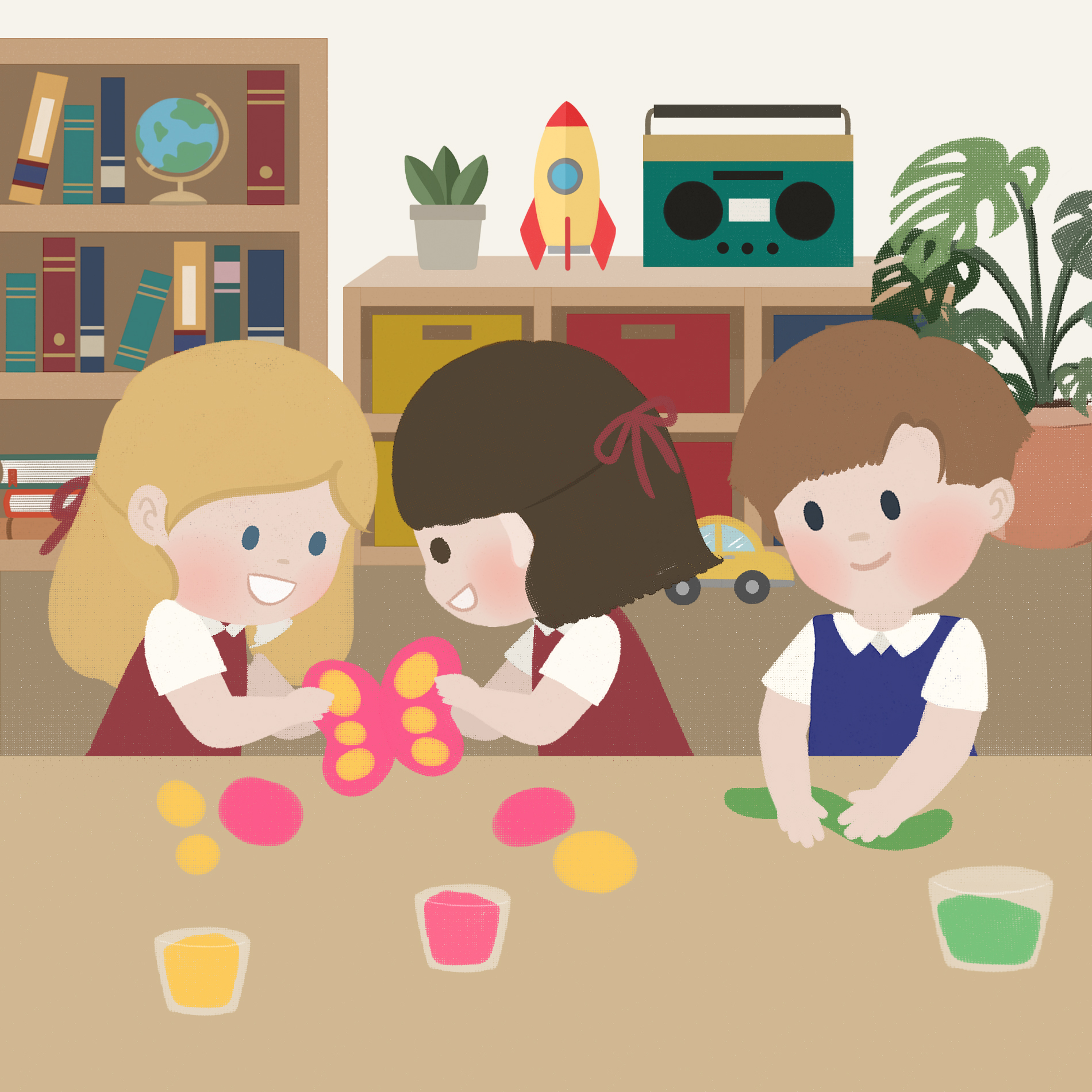
Illustrated by Sutthiya Lertyongphati.

As a teacher, it’s important to have a solid understanding of the principles that underpin effective instruction. One set of principles that has gained widespread recognition is the set proposed by Barak Rosenshine, a former professor of educational psychology at the University of Illinois at Urbana-Champaign. In this blog post, we’ll explore 10 ways you can apply Rosenshine’s principles to your lessons to help your students achieve their full potential.

#1: Start with a clear objective

According to Rosenshine’s principles, the first step in effective instruction is to start with a clear objective. Before you start your lesson, make sure you have a clear understanding of what you want your students to learn.

You may wish to use the ‘Three As‘ to present objectives to the students via a self-discovery process (very powerful). The ‘Three As’ stand for Assign, Analyse and Ask. It’s a simple three-step process for starting each lesson, and allows for the teacher to be as creative as he or she wishes when articulating lesson objectives:

  • Assign a starter activity, that links to the topic somehow. This can be as simple as a video playing on the screen as the kids walk in, a worksheet or even a learning game.
  • Analyse the starter activity: This may involve peer-assessing the task, having a class discussion, quick-fire questions or a ‘True or False’ activity
  • Ask the students: What do you think we are learning about today? This may generate some discussion, but if the ‘Assign’ and ‘Analyse’ parts have been designed properly, then it should be obvious.

For ideas on good starter activities, this blog post is really useful.

#2: Use a variety of examples

Using a variety of examples is a great way to help your students understand the concepts you’re teaching. Use different types of examples, such as visual aids, case studies, or real-life scenarios, to help your students better understand the material.

Different types of examples can help students to better grasp the concepts being taught, as they provide a range of contexts and perspectives from which to view the material. Visual aids, for instance, can be especially effective in conveying complex information in a way that is easy to understand and remember. Case studies and real-life scenarios, on the other hand, can help students connect abstract concepts to real-world situations and make the learning experience more meaningful.

When selecting examples to use in your lessons, it’s important to choose ones that are relevant to your students’ interests and experiences. For instance, if you’re teaching a science lesson on environmental sustainability, using examples that relate to your students’ local community or region can help to make the material more relatable and engaging. Additionally, it’s important to use a mix of examples that are both challenging and accessible. Providing examples that are too easy may bore your students and cause them to disengage from the lesson, while using examples that are too difficult can lead to frustration and discouragement. Striking the right balance between challenging and accessible examples can help to keep your students engaged and motivated throughout the lesson.

#3: Provide guided practice

Guided practice is an effective way to help your students develop their skills and knowledge. Provide your students with opportunities to practice what they’ve learned, but make sure you’re there to guide them through the process.

During guided practice, the teacher provides students with guidance and feedback as they work through problems or exercises related to the material being taught. This can help students to develop their skills and knowledge more effectively than if they were simply left to work independently. Guided practice can take many forms, such as structured activities, group work, or one-on-one interactions with the teacher.

When implementing guided practice in your lessons, it’s important to provide clear instructions and expectations to your students. Make sure they understand what they’re supposed to be doing, and provide them with any necessary resources or materials. Additionally, it’s important to monitor your students’ progress and provide feedback along the way. This can help them to identify areas where they need to improve and make adjustments accordingly. Finally, it’s important to ensure that guided practice is appropriately challenging for your students. Providing practice that is too easy or too difficult can lead to disengagement or frustration. By providing practice that is appropriately challenging, you can help your students to develop their skills and knowledge more effectively.

#4: Use frequent checks for understanding

Frequent checks for understanding can help you gauge how well your students are understanding the material. Use questions, quizzes, or other methods to assess your students’ comprehension of the material throughout the lesson.

Checks for understanding help to ensure that students are comprehending the material being taught and can identify areas where additional support or instruction may be needed. Frequent checks for understanding can take many forms, such as questions, quizzes, or discussions. By incorporating frequent checks for understanding into your lessons, you can help to ensure that students are engaged and actively learning throughout the lesson. Verbal questions are often all that’s needed, just ensure you are not asking the same students to answer. Consider using random name generators (my favorite is the Wheel of Names). Live quiz apps, such a Blooket, Kahoot!, iSpring Quizmaker and others are also great ways to frequently check understanding within lessons, in real-time.

When using frequent checks for understanding in your lessons, it’s important to provide feedback to students on their performance. This can help them to identify areas where they may need additional support or instruction and make adjustments to their learning strategies. Additionally, it’s important to vary the types of checks for understanding used in your lessons to accommodate different learning needs and abilities. For example, some learners may benefit from diagrams or graphic organizers, while other learners may benefit from class discussions or lectures. By using a variety of checks for understanding in your lessons and providing regular feedback, you can help your students to develop a deeper understanding of the material and achieve their learning goals more effectively.

#5: Scaffold your instruction

Scaffolding your instruction can help your students learn more effectively. Start with simpler concepts and gradually increase the complexity of the material to help your students build a strong foundation of knowledge.

Scaffolding your instruction means breaking down complex concepts into smaller, more manageable pieces that build upon each other. This approach can help students to understand and retain information more effectively by giving them the opportunity to build a strong foundation of knowledge before moving on to more complex material. Scaffolding can take many forms, such as providing students with background information, asking leading questions, or providing step-by-step instructions for completing tasks. By gradually increasing the complexity of the material, students can develop their skills and knowledge in a structured and supportive environment.

When implementing scaffolding in your lessons, it’s important to keep in mind the needs and abilities of your students. This means providing scaffolding that is appropriate for their level of understanding and adjusting your approach as needed. Additionally, it’s important to make sure that scaffolding does not become overly restrictive or limiting for your students. While providing structure and support is important, it’s also important to allow students the opportunity to explore and make their own connections between concepts. By striking a balance between structure and flexibility, you can help your students to develop a strong foundation of knowledge while also allowing them the opportunity to think critically and creatively.

#6: Provide feedback

Feedback is an important component of effective instruction. Provide your students with feedback on their performance, both positive and constructive, to help them improve.

I’ve written a LOT about feedback in the past, and there’s lots that we could explore here. However, if I were to distil the essentials into a few bulletpoints, they would be as follows:

#7: Use models and examples

Using models and examples can help your students better understand the concepts you’re teaching. Provide your students with examples of how to apply the material to real-life situations to help them make connections.

Models and examples can take many forms, such as diagrams, charts, or simulations. By providing students with concrete examples of how a concept works, you can help them to build a mental model of the concept and understand how it can be applied in different situations. Additionally, using a variety of models and examples can help students to see the same concept from different perspectives, which can lead to deeper understanding and better retention of the material.

When using models and examples in your lessons, it’s important to choose ones that are appropriate for your students’ level of understanding. Providing examples that are too complex can lead to confusion and frustration, while using examples that are too simple can lead to boredom and disengagement. Additionally, it’s important to provide students with opportunities to interact with the models and examples, such as by asking them to explain how they work or to identify different features. By providing opportunities for active engagement with the material, you can help students to develop a deeper understanding of the concepts being taught.

#8: Use a variety of instructional strategies

Using a variety of instructional strategies can help keep your students engaged and interested in the material. Use different methods such as lectures, discussions, group work, or hands-on activities to keep your students engaged.

Every student has unique strengths, and by using a variety of instructional techniques, you can help to accommodate these differences and ensure that all students are able to engage with the material being taught. Some effective instructional techniques include direct instruction, group work, hands-on activities, and multimedia presentations. By varying your approach, you can keep students interested and engaged in the learning process, which can lead to deeper understanding and better retention of the material.

When using a variety of instructional techniques in your lessons, it’s important to keep in mind your learning objectives and the needs of your students. Different techniques may be more effective for different types of learning objectives or for different groups of students. Additionally, it’s important to provide clear instructions and expectations for each technique you use. This can help to ensure that students understand what they’re supposed to be doing and how the technique relates to the material being taught. By using a variety of instructional techniques in your lessons, you can help to create a dynamic and engaging learning environment that supports the needs and interests of all your students.

#9: Review and revise

Review and revise your instruction to ensure that you’re meeting your students’ needs. Regularly assess your students’ progress and adjust your teaching methods accordingly.

Providing opportunities for regular review is an essential part of effective instruction. Review allows students to reinforce their learning and connect new concepts to previously learned material. It also helps to identify areas where students may need additional support or instruction. Regular review can take many forms, such as quizzes, games, or discussions. By incorporating review into your lessons, you can help to ensure that students are retaining the material being taught and developing a deeper understanding of the concepts.

When implementing regular review in your lessons, it’s important to provide opportunities for both formal and informal review. Formal review activities, such as quizzes or exams, can help to provide a structured and systematic approach to review. Informal review activities, such as class discussions or games, can be more flexible and allow for more creative and interactive review. Additionally, it’s important to provide regular feedback to students on their performance during review activities. This can help them to identify areas where they may need additional support or instruction and make adjustments to their learning strategies. By providing regular review opportunities in your lessons, you can help your students to develop a deeper understanding of the material and achieve their learning goals more effectively.

#10: Provide closure

Provide closure at the end of your lesson to help your students solidify their understanding of the material. Summarize the key points of the lesson and provide your students with an opportunity to ask any remaining questions they may have.

Channeling the energy of your students in a healthy and competitive way should be one of the core aims of all plenaries. Reviewing the content and skills learnt in class in a fun, competitive and energetic way can really help with memory and concept retention. Do this consistently each and every lesson and watch your students make tremendous progress as the weeks and months roll by!

See my blog post entitled 7 Plenary Activities for PGCE Students and Newly Qualified Teachers for some great ideas for ending your lessons with a fun review of the concepts and skills taught, thereby providing closure.

Conclusion

By applying Rosenshine’s principles to your lessons, you can help your students learn more effectively and achieve their full potential. Remember to start with a clear objective, use a variety of examples, provide guided practice, use frequent checks for understanding, scaffold your instruction, provide feedback, use models and examples, use a variety of instructional strategies, review and revise, and provide closure.

We welcome you to join the Richard James Rogers online community! Join us on Facebook and Twitter for regular updates, giveaways of Richard’s books, special offers, upcoming events and news. 

Combating Wokeness in Schools: A Guide for Teachers

An article by Richard James Rogers (Award-Winning Author of The Quick Guide to Classroom Management and The Power of Praise: Empowering Students Through Positive Feedback)

Illustrated by Sutthiya Lertyongphati

As teachers, it can be challenging to navigate the diverse groups of students in our classrooms while also upholding the values and principles we believe in. With the current trend of progressive ideologies being pushed in schools, it can feel overwhelming at times to combat ideas that are contrary to our own. However, there are strategies that teachers can implement to promote critical thinking, encourage diverse viewpoints, and foster an open-minded learning environment. Here are some ways to combat ‘woke’, or ‘progressive’, ideologies in schools:

#1: Promote Critical Thinking

One of the most effective ways to combat progressive ideologies in schools is to promote critical thinking. Encourage your students to think independently, question assumptions, and analyze facts. Give them the tools they need to evaluate arguments objectively, and let them come to their own conclusions. Encourage debate and discussion, and create an environment where students feel comfortable expressing their viewpoints without fear of judgment or ridicule.

Here are some good resources that can help you facilitate the critical thinking process in your lessons:

#2: Teach the Value of Diversity

Another way to combat progressive ideologies in schools is to teach the value of diversity. Encourage your students to appreciate different cultures, religions, and perspectives. Emphasize the importance of tolerance and respect, and create opportunities for your students to learn from one another. When students understand the value of diversity, it becomes harder for progressive ideologies that promote exclusivity to take hold.

#3: Encourage a Growth Mindset

Progressive ideologies often promote victimhood, entitlement, and a lack of personal responsibility. To combat these ideologies, teachers can encourage a growth mindset. Teach your students that they are capable of achieving anything they set their minds to, and help them develop a sense of personal responsibility for their own success. Encourage them to embrace challenges and see failures as opportunities for growth.

Here are some resources that can help you get your students to adopt a growth mindset:

#4: Help Students Develop Strong Values

To combat the influence of progressive ideologies in schools, it’s important for teachers to help students develop strong values. Encourage your students to think about what they believe in, and teach them the importance of virtues such as honesty, integrity, and respect. When students have a strong sense of values, they are less likely to be swayed by ideologies that conflict with their beliefs.

#5: Stay Informed

Finally, it’s important for teachers to stay informed about the progressive ideologies that are being promoted in schools. Attend workshops and seminars, read blogs and articles, and participate in discussions with colleagues. By staying informed, we can better equip ourselves to combat these ideologies and promote a learning environment that is free from political bias.

Conclusion

In conclusion, it’s possible to combat progressive ideologies in schools by promoting critical thinking, teaching the value of diversity, encouraging a growth mindset, helping students develop strong values, and staying informed. As a teacher, it’s our responsibility to create an environment that fosters intellectual curiosity, promotes debate and discussion, and encourages students to think independently. By doing so, we can help our students become well-informed, thoughtful, and responsible citizens who are able to make a positive impact on the world.

We welcome you to join the Richard James Rogers online community! Join us on Facebook and Twitter for regular updates, giveaways of Richard’s books, special offers, upcoming events and news. 
7 Best EYLF Practices for Parents and Teachers to Know

Effective teaching practices which are suitable for the Early Years Learning Framework (EYLF) include creating a play-based learning environment, observing and responding to each child’s individual needs and interests, building positive relationships with families, and using intentional teaching strategies. Play-based learning allows children to explore, discover and learn through hands-on experiences. Observing children and responding accordingly allows educators to tailor their teaching to the needs of each individual child. Building positive relationships with families fosters a sense of collaborative partnership in the child’s learning journey. Intentional teaching strategies involve planning and implementing purposeful learning experiences that promote children’s knowledge, skills, and interests. These teaching practices support the holistic development of each child, including their emotional wellbeing, social skills, language development, and cognitive growth.

Today, I’ve invited Jessica Robinson, educational writer at The Speaking Polymath, to share her insights and tips for implemeting best practice when delievering the EYLF.

The environments we expose our children to during childhood play a part in their brain development, learning experiences, and overall life. When children are exposed to positive learning environments, they attain a widened mindset about life.

Parents and teachers play a vital role in a child’s learning experiences. Moreover, it’s the parents that cultivate a firm foundation for their children’s learning. Science also asserts that brain development in children is almost complete by the age of five.

This means that when children are provided with a positive environment, they are more likely to thrive and develop reliable life skills. These range from curiosity, independent thinking, creativity, problem-solving, and many more.

A good learning environment during childhood also enlarges a child’s mindset. It helps him or her remain open to learning and develop competencies for every study area. Many children have trouble learning, it is sometimes because they received no reliable support while growing up

However, a supportive learning environment helps a child develop an interest in certain subjects that are seen as complicated by other kids. For example, many students hate science. Not because they are dull, but because they weren’t provided a positive environment to learn. On the other hand, some children are able to perform exceptionally in class because they receive the support they need, both at home and school. 

If you’re a parent, you might be thinking of how to provide a supportive environment for your child’s learning and cognitive development. Or perhaps you’re a kindergarten teacher who wants to provide meaningful learning experiences for young kids.

The Early Years Learning Framework (EYLF) details a range of pedagogical practices that educators and parents can leverage to promote early learning. The framework emphasizes three aspects vital to children’s upbringing and learning. These include belonging, being, and becoming. It is designed to inspire conversations, and improve communication. 

The EYLF learning outcomes also help children develop a strong sense of identity, understand the world they live in, and develop the desire to learn continuously. However, for children to dimensionally benefit from the framework, their parents and educators must identify children’s strengths, weaknesses, and interests.

This helps them choose appropriate teaching strategies and design the learning environment accordingly. In this blog, we look at some of the best EYLF practices that can support children’s learning and development. Let’s get started.

The 7 Best EYLF Practices for Parents and Teachers 

#1: Holistic Approaches

Gone are the days when children’s learning mediums only emphasized intellectual development. The modern world is changing at a great speed and learning these days, exceeds that. Precisely, children need more than intellectual stimulation and good scores to thrive in life.

They require a set of skills that range from critical thinking, independent thinking, emotional intelligence, and problem-solving skills among others to succeed in life. Implementing holistic learning approaches helps children to dimensionally be prepared for life; i.e in school, workplace, and homes.

Holistic learning practices can be incorporated into a child’s daily life to foster emotional, social, physical, and intellectual development. In this case, parents and teachers can consider;

Stories and songs

These are very effective in promoting cognitive development in children. They stimulate a child’s awareness and also improve emotional and self-regulation capabilities.

Games & Play

Provide a child with indoor materials to play with and you can also take a child out to playgrounds. These mediums help in the development of sensory organs, limbs, hand-eye coordination, and gross and fine motor skills. They also help a child develop physically.

Additionally, consider taking your child for walks, and shopping, or let him or her play with others. Exposing the child to the natural environment helps them grow mentally. You can also consider other activities like gardening where they directly come into contact with the earth.

Painting

This is one of the best early childhood activities that promote cognitive development. Painting, coloring, colored objects, and music allow children to develop and use their senses. They also help children express their emotions and convey ideas. Above all, they increase their imagination. 

#2: Responsiveness

During childhood, children are very sensitive and if not attentive, parents and teachers are more likely to misinterpret children’s feelings. During this phase, children ask many questions and when provided with a positive learning environment, their love to learn and evolve is fostered.

However, when parents and teachers fail to understand children’s questions, their emotions, and act accordingly, children are discouraged from many things.

With that, take note of their emotions, thoughts, words, and actions and ensure to remain responsive. Responsiveness is key to promoting learning and also helps teachers evolve with the changing learning environments. For example, when it comes to teaching diverse classrooms.

“An AMAZING book!”

Consider leveraging inquiry-based learning, open-ended questions, and problem-based learning. Questions like “I wonder why babies cry” help children to think about the question, analyze it, and offer answers depending on what they think. 

Also, consider extending parent or teacher talk time. The more you’re available to a child, the more it cultivates trust. These learning mediums also help children to think out of the box and put themselves in that position. This helps improve EYLF outcomes as children are able to relate to the questions. 

#3: Playing

Playing during the early years is associated with a range of benefits. Streaming from physical development, motor skill, cognitive, and social skill development, playing caters to emotional well-being. Therefore, as a parent, guardian, or teacher, ensure to provide safe playgrounds for children.

Playing caters to learning in many ways, especially outdoor playing. Outdoor activities like running, building, catching the ball, and hide and seek are immersive learning experiences. They not only help children to put their creativity to use, test out ideas, and build new understandings, but they also help children to break free.

Playing conforms to the aspect of being as it helps them enjoy their childhood and build relationships. It also exposes the children to nature which helps them learn more about their surroundings. Besides that, children are able to realize the diversity of the world we live in. For example, the different cultures, plant species, and races among others.

Other mediums to promote playing among children include providing them with play materials for example crayons, fabrics, blocks, and any other materials that can help them use their creativity. All round, playing contributes to sensory, cognitive, linguistic, social, and emotional learning. 

#4: Promote Positive Learning Environments

Environments make a lot of difference during learning. Precisely, they can either break or make a child. During the early years, children are entirely new to everything, and the environments they are exposed to play a big role in their cognitive and personality development. 

As a parent, consider providing a safe learning environment for your child. You can consider indoor play materials or online STEM apps. Play materials and learning apps help children to develop curiosity and to use their free time productively.

Stem resources have proven to help children develop an interest in science subjects. They also help them think critically, analytically, and creatively. Parents can also consider leveraging teaching mediums for example storytelling, singing, and playing. 

On the other hand, teachers can leverage a range of teaching mediums, for example, outdoor activities, group discussions, and classroom lessons. These learning experiences foster a positive learning environment that promotes holistic development in children. 

Generally, children are able to play, test ideas, share thoughts, and explore. These help them to develop emotionally, physically, socially, and personally. All in all, positive learning environments comprise social interactions and safe spaces that also cater to cultural diversities.

#5: Intentional Teaching

Intentional teaching mediums are deliberately designed to help children learn specific things. It can be a subject, an activity, or a test. For example, if you want a child to learn the habit of sharing, you will have to directly tell the child to share with others.

Intentional teaching may also involve intervening with a child when doing something to correct them. For example, asking a child to explain what he is doing. A child will have to stop and think about his or her actions in order to provide an answer.

Other intentional teaching mediums include striking meaningful conversations with children. For example, talk about your father. Other ways include creating opportunities for a child to take initiative. Other considerations are active learning strategies like peer teaching.

All these avenues allow a child to think independently, evaluate scenarios, and develop new perspectives. Additionally, intentional teaching helps children reflect on their actions, behaviors, and emotions. However, a parent or a teacher must be strategic. 

First and foremost, recognize a child’s unique strengths and weaknesses and then tailor learning experiences accordingly. You can consider purposefully choosing activities that foster EYLF learning outcomes.  For example, painting to improve imagination, and playing to boost interpersonal skills and communication. 

Besides that, help them develop their interests and hobbies. For example, once you notice that your child likes music, start playing songs and watch his or her reaction.

Also, you can motivate, recognize, and praise. Praising children encourages them to keep learning and trying out new things. 

#6: Enabling Transition

Any positive learning environment caters to smooth transitions. Learning evolves and children must develop such a mindset while still young. Besides that, children go through significant transitions in the early stages. These can be within the home, community, or on a bigger scale.

Parents and teachers must foster mediums that enable children to transition seamlessly. For example, explain to the child why he or she needs to shift to another bedroom. Or, you can explain to a child why he or she needs to stop eating a lot of candies. 

Change shouldn’t be drastic and children should be given time to adjust. Therefore, parents and teachers can consider mediums that gradually introduce children to change. These can be providing learning spaces that cater to change and continuity. Also, parents and teachers must leverage teaching mediums that help children attain the necessary flexibility. 

#7: Assessing & Monitoring Learning Progress 

It is important for parents and teachers to monitor, document, and evaluate children’s learning outcomes. Evaluating children’s learning outcomes helps parents and teachers identify learning gaps and develop personalized teaching mediums. 

For example, when a mother realizes that her child’s cognitive development is lagging, she can decide to see a doctor. However, this is possible when a child is monitored as per the baby’s development stages. 

She will also leverage teaching models that help a child improve speech, numeracy, social and literacy skills. Therefore, as a parent or teacher, ensure to track children’s learning outcomes to identify delays or upgrade teaching mediums.

Bottom Line

The Early Years Learning Framework (EYLF) is a curriculum designed to support the development of children from birth to five years of age, or before starting primary school. The framework can be adopted by mothers and educators as a way of providing a firm foundation for children’s learning and development.

The framework details outcomes that children are expected to attain when leveraged effectively. With that, parents and teachers must consider activities and lesson plans that foster learning outcomes such as social skills, and intellectual capabilities among others. 

We welcome you to join the Richard James Rogers online community. Like our Facebook page, follow us on Instagram and check out our Twitter feed for the latest news, blog posts and commentary.

Stress Management Techniques for Online Teachers

An article by Richard James Rogers (Award-Winning Author of The Quick Guide to Classroom Management and The Power of Praise: Empowering Students Through Positive Feedback)

Illustrated by  Sutthiya Lertyongphati

Accompanying podcast episode:

Being an online teacher can be both rewarding and challenging. While it offers the flexibility of working from home and a broader reach to students worldwide, it also comes with its own set of stress factors. In 2023, as the world continues to digitize, the number of online teachers will likely increase, and so will the pressure to excel. In this post, we will look at some stress management techniques to help online teachers stay sane and healthy.
 
1. Prioritize Time Management
 
Online teaching requires meticulous planning, preparation, and execution. To minimize your workload and maximize your productivity, develop a routine that helps you stay organized. Create a schedule that balances your teaching workload and personal life commitments. Make sure you allocate enough time in your day for relaxation, exercise, and self-care. Setting limits on work can ensure you have enough energy to teach effectively.
 
2. Avoid Overworking
 
Online teachers often have to work outside normal working hours and weekends to accommodate students from different time zones. However, consistently overworking without taking time to rest can lead to burnout, fatigue, and diminished productivity. To avoid this, ensure you have a set work schedule that includes regular breaks and days off. When you are not teaching, avoid checking your email or working on your laptop to keep the boundaries clear.
 
hobbies
 
 
3. Find a Support System
 
Online teaching can be a lonely experience, especially when you work alone in your home office. Reach out to other online teachers or join online communities where you can share common challenges and success stories. Many online teaching platforms offer peer support groups, mentorship programs, and professional development resources. Take advantage of these opportunities to expand your network and alleviate stress.
 
The-Quick-Guide-to-Classroom-Management-amazon-and-ku-1
 
4. Practice Stress-Relieving Activities
 
Stress can take a significant toll on your physical and mental well-being. Engage in stress-relieving activities such as meditation, yoga, or deep breathing exercises to calm your mind and release tension. Taking a daily walk outside or performing simple stretches can also promote relaxation and reduce anxiety. Creating a calming workspace with soothing music and comfortable furniture can also help you relieve stress.
 
exercises
 
 
5. Continuously Improve Your Skills
 
Online teaching technology is constantly evolving, and to stay relevant, you need to regularly develop your skills. Developing new skills through courses, workshops, and reading can boost your confidence and performance. Continuous learning can lead to new opportunities that can alleviate some of the stress of online teaching.
 
Conclusion
 
In conclusion, stress management should be an ongoing process and not a one-time solution. By prioritizing time management, avoiding overworking, finding a support system, practicing stress-relieving activities, and continuously developing your skills, you can stay healthy and productive in your online teaching career. Be kind to yourself, and remember that a little self-care can go a long way in reducing stress.
 
714symbol
 
Follow me on Instagram
 

We welcome you to join the Richard James Rogers online community. Like our Facebook page, follow us on Instagram and check out our Twitter feed for the latest news, blog posts and commentary.

richard-rogers-online