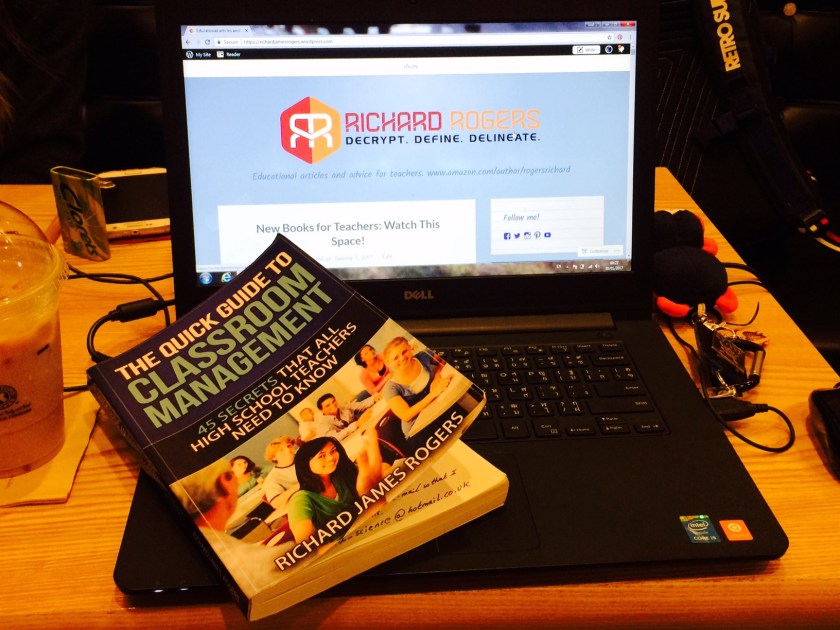
A blog post by Richard James Rogers (Award-Winning Author of The Quick Guide to Classroom Management and The Power of Praise: Empowering Students Through Positive Feedback). This blog post has been beautifully illustrated by Pop Sutthiya Lertyongphati.
In addition to writing this blog post for you today, I’ve also recorded a podcast episode on the same topic. You can listen to it here:
Creating a strong school community is one of the most vital yet often overlooked aspects of school leadership. Whether you are a senior leadership team (SLT) member, a school principal, a middle manager, or a frontline teacher balancing a full schedule, fostering a sense of belonging among students and staff is crucial for a thriving educational environment.
I have recently stepped into the role of Acting Head of Secondary at my international school in Thailand. After spending 20 years in the classroom teaching science, mathematics, and other subjects, this transition has been a profound learning experience. It has given me fresh insight into what makes a school function effectively and how community building is at the heart of it all.
A Tale of Two Schools: The Power of Community
Reflecting on my own school experience, I remember the stark contrast between my Record of Achievement celebrations and those of my friend from another school. My Roman Catholic school’s event was filled with singing, speeches, and a clear sense of togetherness. My friend’s event, in contrast, felt sterile and devoid of any real community spirit.

This comparison serves as a reminder: schools are not just places of academic instruction but communities where students, staff, and parents should feel connected. So, how can we, as educators, foster a strong sense of school community? Here are some key strategies.
#1: Meaningful and Well-Designed Assemblies
Assemblies, when planned thoughtfully, can be a powerful tool for community building. The key is to ensure they are engaging, purposeful, and inclusive. Here are some ways to make assemblies effective:
- Showcase student achievements: In my first assembly as Acting Head of Secondary, I invited teachers to contribute to a Google Slides presentation featuring student work. Mathematics notes, science experiment photographs, coding projects, and sports achievements were all highlighted. This not only celebrated student success but also encouraged peer recognition.
- Welcome new students: A simple introduction and round of applause for newcomers can make a world of difference in making them feel at home.
- Incorporate student-led contributions: Allow students to share announcements, projects, or school events to give them a voice and foster engagement.
- Share important updates: Assemblies are a great time to reinforce school values, rules, and upcoming events in a unified setting.
- Keep a theme: Whether it’s perseverance, kindness, or academic excellence, having a clear message ensures assemblies are more than just announcements.
#2: The Power of Collective Praise
One of my core beliefs, which I wrote about in The Quick Guide to Classroom Management, is: Praise must be collective in order to be effective. When a student excels, their achievement should not only be acknowledged by their subject teacher but also by their homeroom teacher, the head of secondary, and even their peers. This creates a culture where excellence is recognized and reinforced throughout the school.

For example, when our school principal mentioned two students with exceptional artistic talent, I made sure to acknowledge them personally. This small act had a significant impact—it showed the students that their work mattered and was valued beyond the art department.
#3: School Events and Theme Days
Special events and theme days are excellent ways to foster school spirit. Here are some ideas:
- Charity fundraising events: Simple initiatives like ‘own clothes days’ (or ‘mufti days’) where students donate to a cause can create a sense of collective purpose.
- Student-led events: Science fairs, talent shows, or Model United Nations conferences encourage student participation and leadership.
- Cultural or theme weeks: Mental health awareness, sustainability, or literature weeks can bring the community together around a shared focus.
- Car boot sales or parent engagement days: Involving parents in school activities strengthens the home-school connection.

#4: Leveraging Your School’s Unique Identity
Every school has something that sets it apart. Whether your school specializes in science, the arts, environmental education, or mindfulness, use that unique aspect to create a shared sense of purpose.
For example, if your school is an eco-school, organizing sustainability projects, eco-friendly challenges, or themed assemblies around environmental responsibility can reinforce that identity while strengthening community ties.
#5: Effective Communication Through Newsletters and Social Media
Transparent and engaging communication is key to keeping the school community connected. Consider these approaches:
- Weekly newsletters: Highlight student achievements, upcoming events, and important school updates. These can be distributed via email or through homeroom teachers.
- Student announcements: Having homeroom teachers read daily or weekly notices fosters a more connected student body.
- Social media engagement: Sharing photos of assemblies, student projects, and school events (with appropriate permissions) helps parents and the wider community stay involved.

#6: External Engagement: Speakers and Field Trips
Bringing in guest speakers or organizing field trips enhances learning while strengthening school-community links. Consider:
- Guest speakers: Experts in various fields can provide students with valuable insights and inspiration.
- Local partnerships: Universities, museums, and businesses often have programs that align with school curricula.
- Community visits: Taking students to local cultural centers, science labs, or art galleries broadens their horizons and connects learning to the real world.

#7: Student Voice and Leadership Opportunities
Giving students a voice in school governance enhances their sense of belonging. A well-structured student council, for example, allows students to take ownership of initiatives, fostering leadership and community spirit.
Conclusion
Building a strong school community requires intentional effort from all members of the school—from leadership to classroom teachers, students, and parents. Assemblies, collective praise, school events, effective communication, and external engagement all contribute to a vibrant, inclusive environment where students feel valued and motivated.
If you found these insights useful or have your own strategies to share, feel free to reach out. And if you have a topic request for future blog posts, email me at info@richardjamesrogers.com. Let’s continue the conversation on building stronger, more connected school communities!

We welcome you to join the Richard James Rogers online community! Join us on Facebook for regular updates, giveaways of Richard’s books, special offers, upcoming events and news.