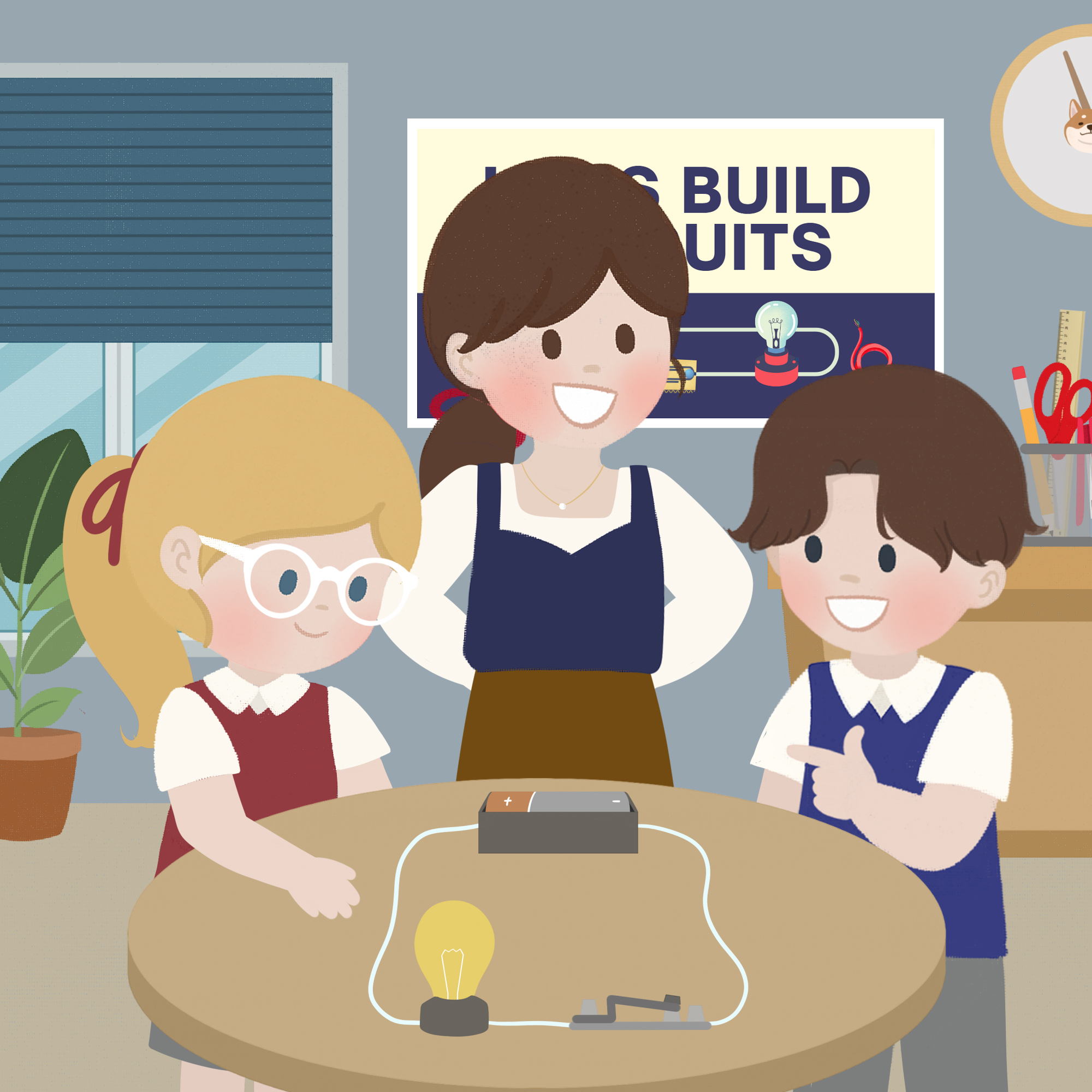
A blog post by Richard James Rogers (Award-Winning Author of The Quick Guide to Classroom Management and The Power of Praise: Empowering Students Through Positive Feedback). This blog post has been beautifully illustrated by Pop Sutthiya Lertyongphati.
Starting your teaching career is an exciting adventure, but it can also feel overwhelming. When I first starting teaching high school science back in 2005, for example, I soon found myself struggling to succeed at (what I see today as) basic tasks, such as marking, lesson planning and managing behaviour. So many aspects of the job were completely new to me, despite the limited teaching experience I gained from the Army Cadet Force as a teenager. I even found it difficult to think straight with so many students making requests and needing attention at the same time. Even writing basic sentences on the classroom whiteboard, in a large and tidy format so that the students could read the words clearly, was a challenge for me at first!
The reassuring news is that every teacher makes mistakes – it’s part of the learning process. To give you a head start, here are ten of the most common rookie blunders new high school teachers make (and, that I have made at some point on my journey!), along with some friendly advice on how to avoid them!
1. Doing Too Much Marking
Marking mountains of work is a fast track to burnout. Many new teachers feel they need to mark everything in detail, but that’s not sustainable! Start exploring alternatives like peer assessment, self-assessment, verbal feedback or even automated tools like online quizzes. You could also try live marking during class, where you give immediate feedback as students work. This not only saves time but also boosts student understanding.
2. Trying to Be Too Friendly with Students
It’s natural to want to be liked by your students, but remember: you’re their teacher, not their buddy. Building rapport is important, but you still need to maintain a professional distance. Being too friendly can blur the lines, making it difficult to manage behavior or assert authority. Keep your role clear, and your students will respect you more in the long run.
3. Inappropriate Use of Social Media
We live in a digital world, and social media can be a fun way to share ideas, but it’s important to be cautious. Avoid posting anything that could reflect poorly on you, your school, or the profession. It’s always better to keep your personal and professional online presence separate. Remember: once it’s online, it’s forever!
4. Oversharing with Colleagues
It’s great to get to know your colleagues, but be mindful of what you share, especially in the early days. Oversharing personal information can blur professional boundaries and lead to awkward situations. Keep conversations friendly, but professional – save your deeper personal stories for your friends outside of work.

5. Not Pacing Lessons According to Long-Term Plans
Pacing is one of the trickiest things to get right. New teachers often get caught up in the moment, spending too much time on early topics and falling behind on their curriculum goals. It’s important to balance the desire to be thorough with the need to stick to long-term plans. Keep an eye on your timeline and adjust your lessons to stay on track.
6. Being Too Lenient with Grading
Being too kind with your grades can do more harm than good. New teachers sometimes grade work too generously, not realizing that they aren’t preparing their students for the higher standards of external exams. Make sure your grading reflects the rigor of official exam boards so students get used to working at the correct level.
7. Relying on Quickly Sourced Content from the Internet
The internet is a treasure trove of resources, but not everything online is classroom-ready. Some teachers fall into the trap of quickly grabbing videos, slides, or worksheets without checking them thoroughly. Always preview your resources before using them in class to ensure they’re accurate, appropriate, and aligned with your lesson goals.
8. Not Preparing Marking Schemes
Without a clear marking scheme, grading assessments can become a time-consuming nightmare. Having a well-prepared scheme not only saves you hours but also ensures consistency and fairness across all students. It’s worth the extra effort upfront to develop marking rubrics and criteria that make assessment straightforward and manageable.

9. Making Promises You Can’t Keep
As a new teacher, you want to impress your students, but making promises you can’t keep – like grading a mountain of work in just a few days – will quickly erode their trust. Be realistic with your deadlines and commitments. It’s always better to under-promise and over-deliver than the other way around!
10. Engaging in Gossip
Gossip can be tempting in any workplace, but in a school environment, it’s especially toxic. Avoid conversations that focus on negative chatter about colleagues, students, or policies. Instead, foster positive, professional relationships. Being a person of integrity will earn you respect from your peers and create a healthier working environment generally.
Recommended further reading